The journal
Longevity & Health
Optimization Articles
Useful health reporting for people who want to understand the evidence and know what to do next.
Longevity and health optimization articles.
Health advice should leave you less confused. These articles take one question at a time, separate strong evidence from plausible ideas, and end with a plan you can actually use.
 01
Fasting mimicking diet vs intermittent fasting: which one should you use?
A fasting mimicking diet is a five day, very low calorie plan repeated now and then. Intermittent fasting is a daily eating window. What the trials found, who should skip both, and the one I'd pick.
Read the article → 02
Is Zone 2 the best cardio for fat loss?
Zone 2 builds your aerobic base, but fat loss comes from total weekly activity and how you eat. What the trials show, why the fat burning zone gets misread, and the week I'd train.
Read the article → 03
Plant forward eating on a budget: the weekly list I'd shop
Plant forward eating usually costs less, not more. The staples, a weekly grocery list, simple swaps, and what the research says about cost, organic food and frozen vegetables.
Read the article →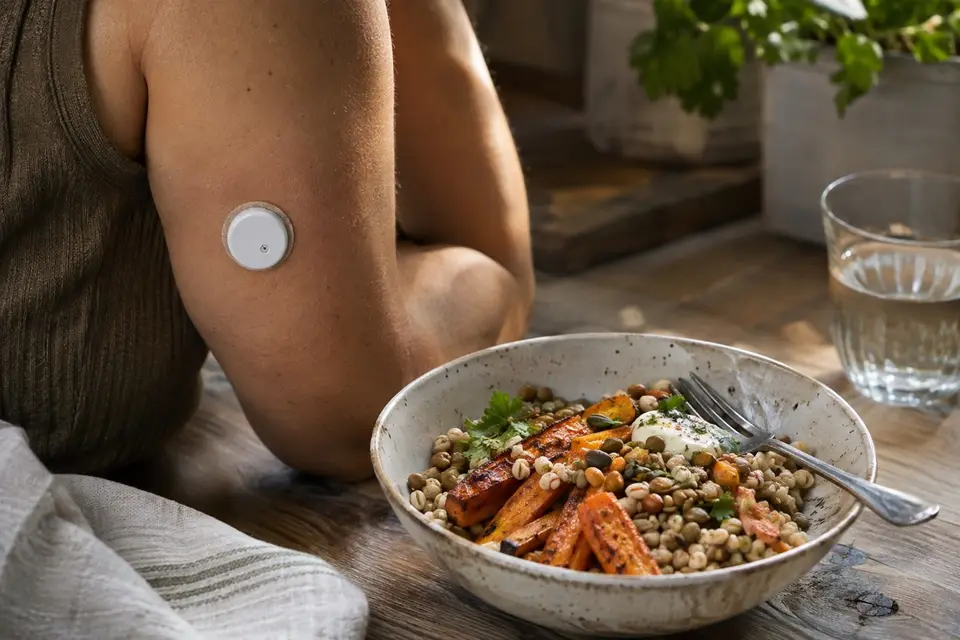 04
Do you need a continuous glucose monitor without diabetes?
A glucose curve looks precise even when the decision it should guide is unclear.
Read the article →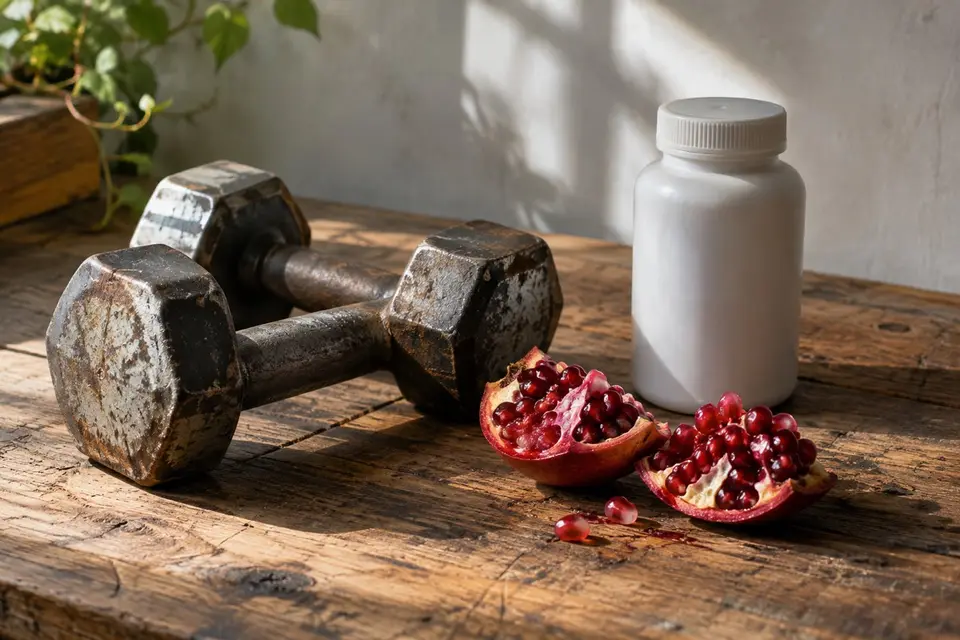 05
Is urolithin A worth buying for muscle health?
A capsule sold for mitochondrial health raises a simple question: what should get easier in everyday life?
Read the article →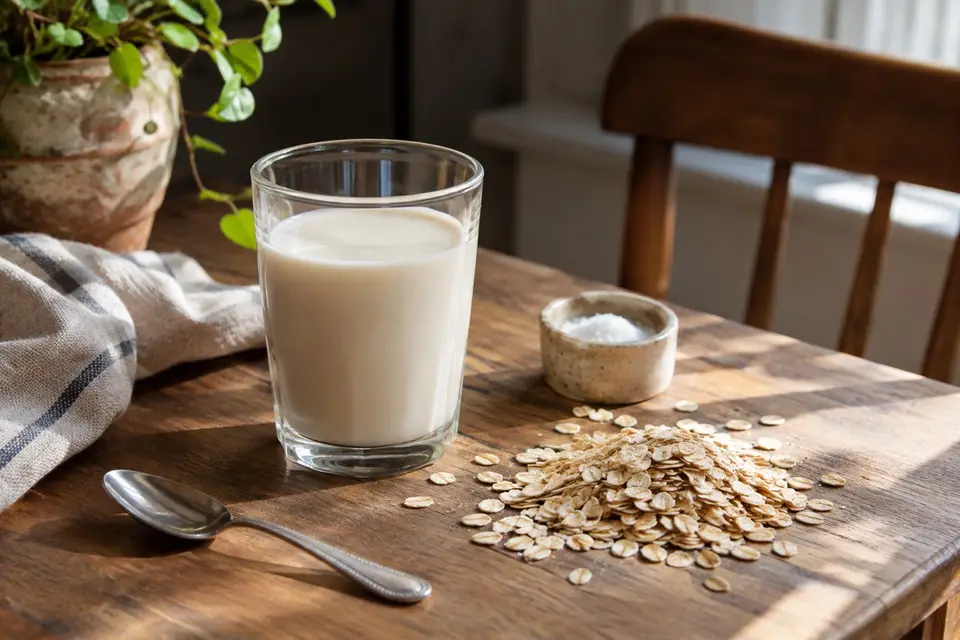 06
Does your plant milk contain enough iodine?
Two cartons can list the same amount of calcium and supply very different amounts of iodine.
Read the article → 07
The sleep position myth, fixed.
Sleep position is not wrecking your spine. Sleep in your best position, set it up neutral, use a medium firm mattress, and keep a fixed wake time.
Read the article → 08
Everyone's doing Zone 2 wrong.
Most Zone 2 work is too hard, too short, or never paired with a hard day. Use the talk test, build 3 to 4 hours a week, and add one 4x4 session.
Read the article →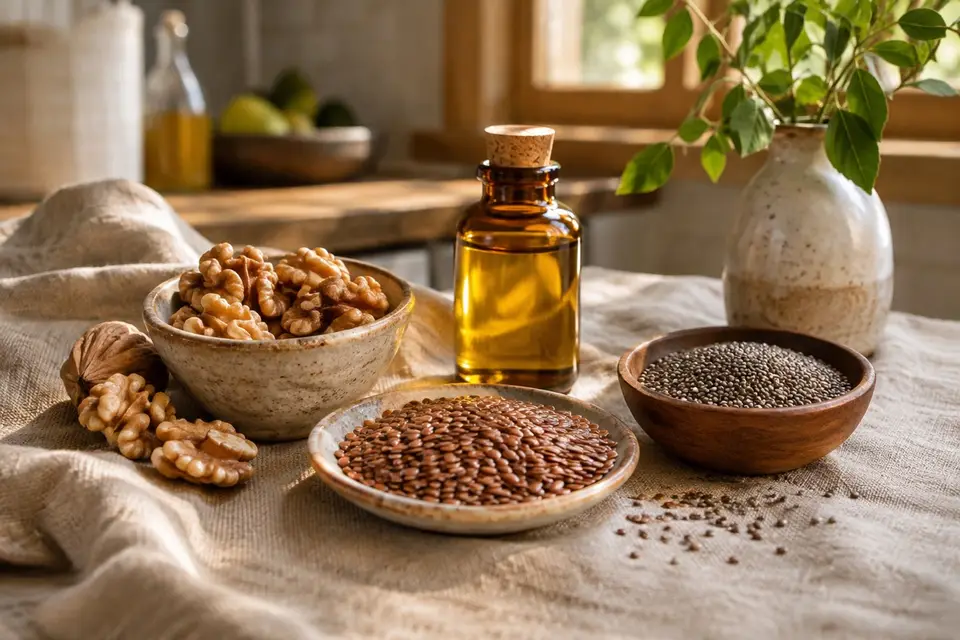 09
Do you need algae omega-3 if you don’t eat fish?
A bag of walnuts and a bottle of algae oil answer different questions at the grocery store.
Read the article →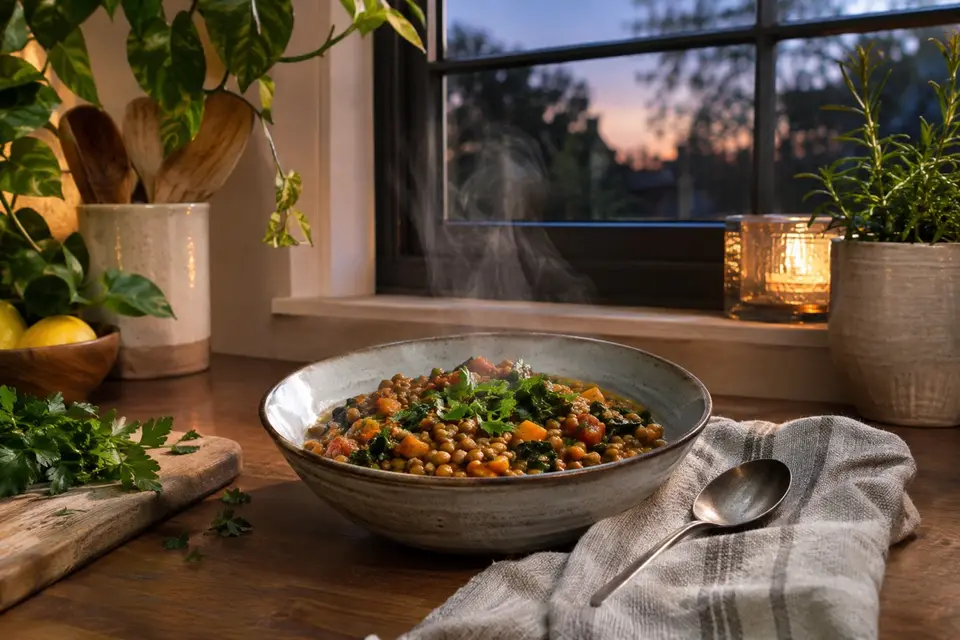 10
Should you eat dinner earlier or skip breakfast?
Dinner is often the easiest meal to move on paper and the hardest one to move in family life.
Read the article →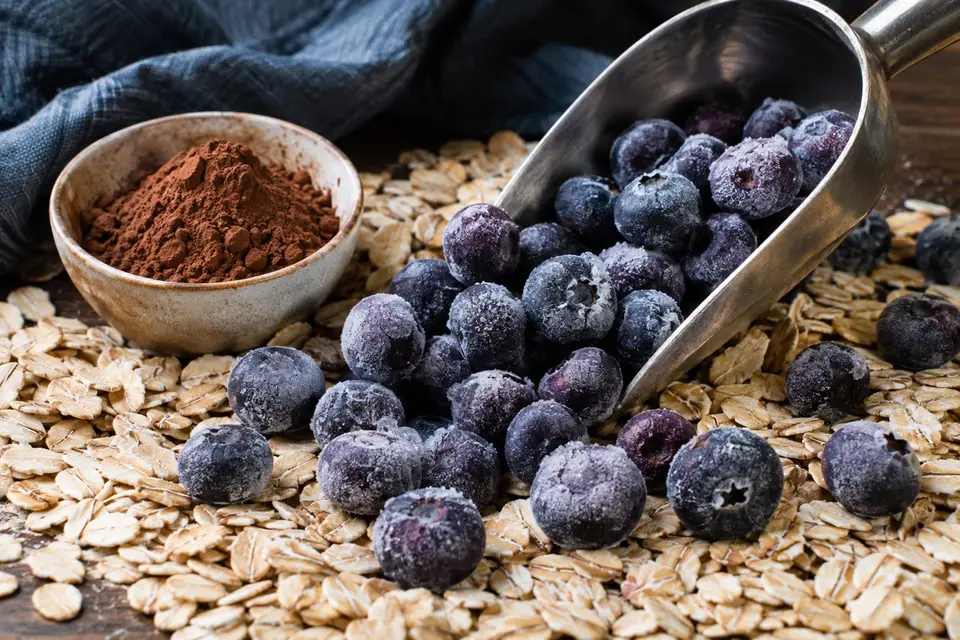 11
Berries or cocoa for heart health? What to put in your bowl
The supermarket sells these ingredients by weight. Supplement studies measure specific compounds.
Read the article → 12
Creatine isn't just for muscle anymore.
If you lift after 40, take 3 to 5 grams of creatine monohydrate a day. For the brain, my opinion is 10 to 20 grams a day, split up, for at least 4 weeks. No trial has tested 15 g on its own.
Read the article → 13
Your doctor should have told you this before your GLP-1.
GLP-1 drugs cut the weight. Protein at 1.2 to 1.6 g per kg of goal weight, lifting three days a week, and 150 minutes of cardio decide what you keep.
Read the article →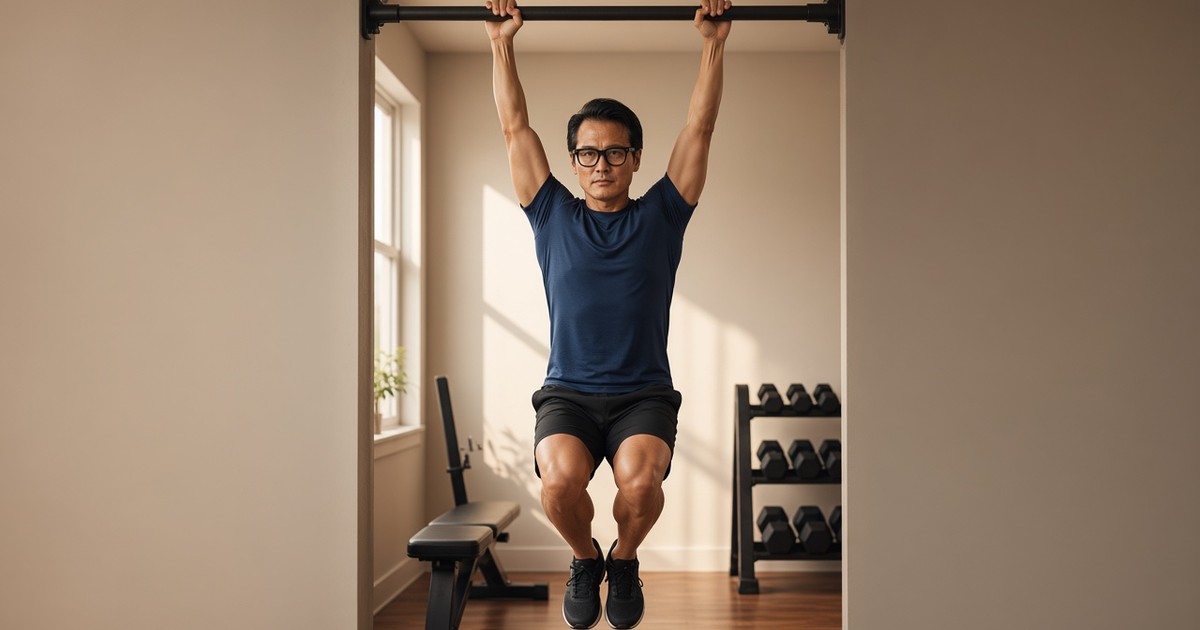 14
4 tests that predict how long you'll live. Do them tonight.
Run a dead hang, a sit to rise, a one leg stand and a gait speed check at home. I want adults over 40 to do these twice a year, then train the weakest one.
Read the article →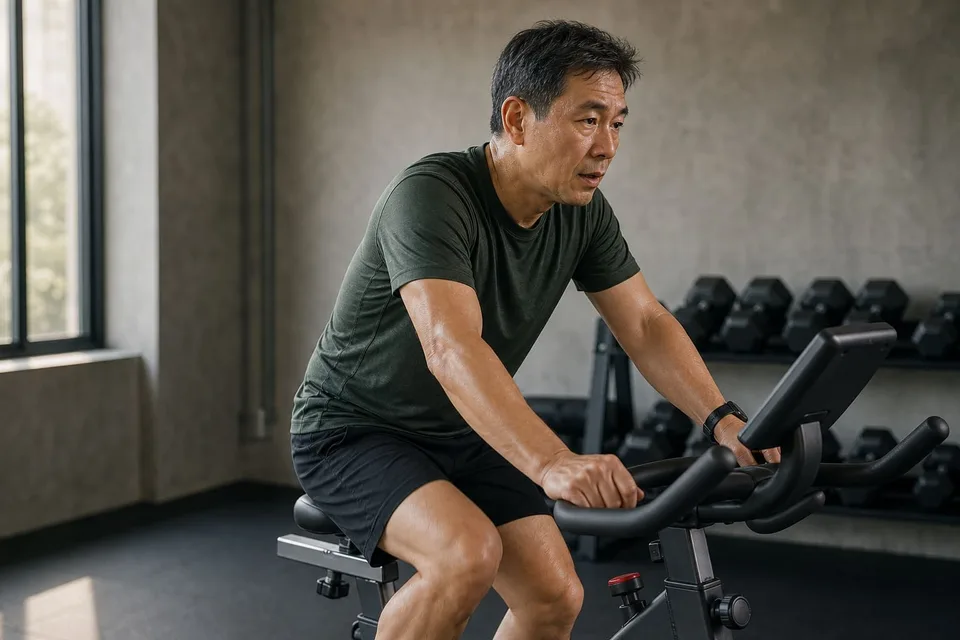 15
Zone 2 vs HIIT for longevity and VO2 max: which matters more?
Is Zone 2 or HIIT better for longevity? Zone 2 builds the base, HIIT raises the ceiling. Here's how to use both to grow VO2 max and protect your healthspan.
Read the article →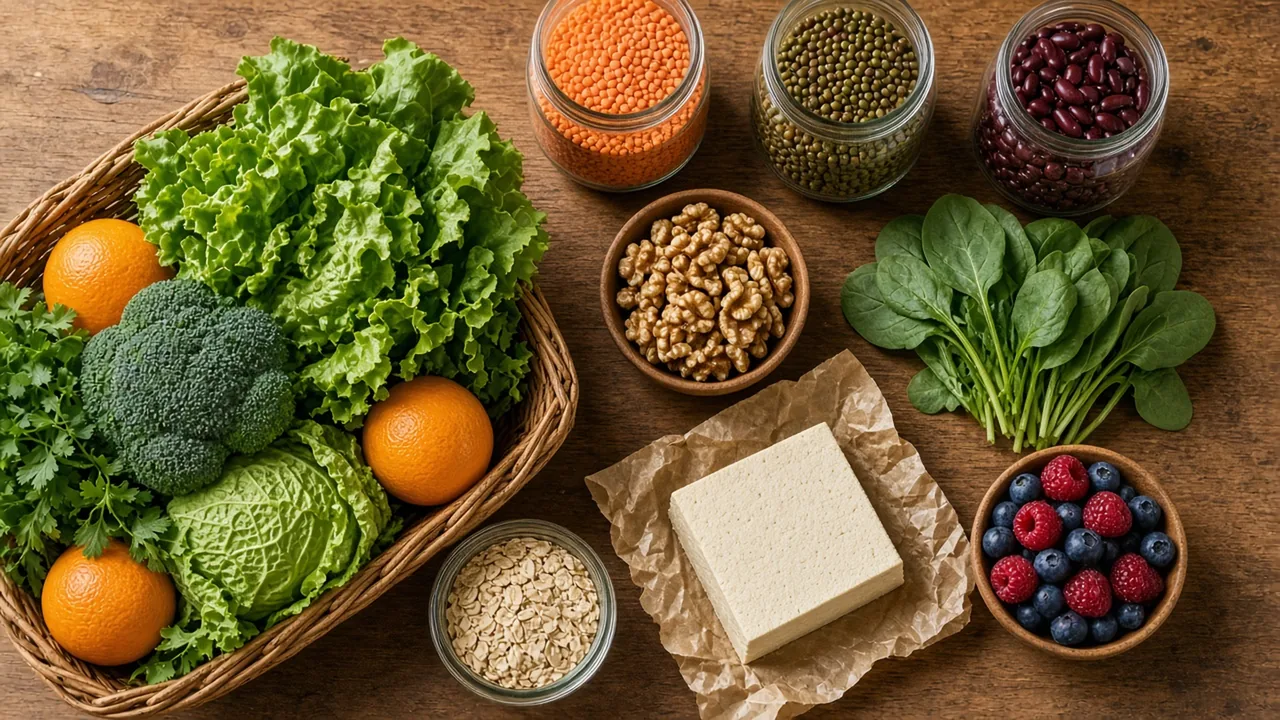 16
Your kitchen blueprint: why the grocery cart is a longevity decision
Design your eating like an architect designs a home: foundation first. A plant-forward kitchen blueprint with a default shopping list, a weekly prep block and simple defaults you can repeat.
Read the article →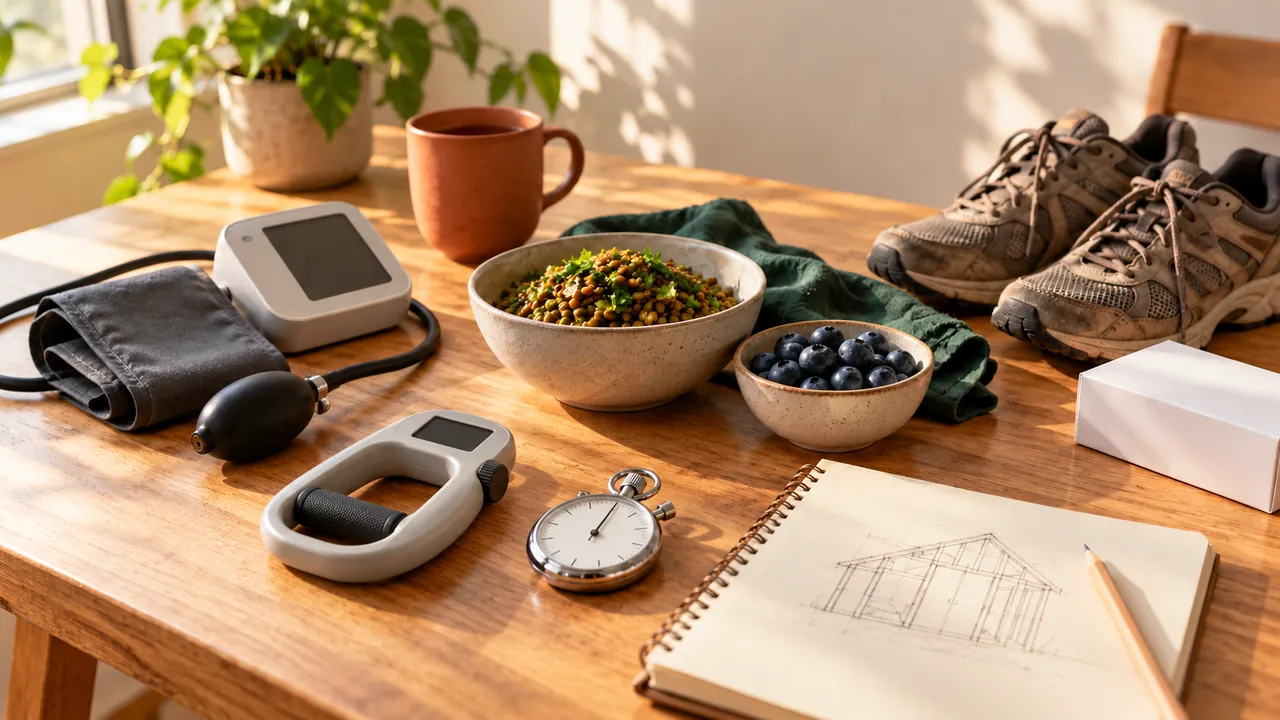 17
Are biological age tests accurate? What to measure instead
Biological age tests are accurate for groups, not for you. Compare epigenetic clocks, blood-panel ages and telomere tests, then use a 12-week plant-forward plan built on fitness, strength and the labs that matter.
Read the article → 18
Which wearable numbers deserve your attention after 50
Rank your wearable's numbers by reliability. Steps, resting heart rate, HRV trend and sleep regularity hold up; sleep stages, calories and VO2 max estimates don't. Each metric comes with one action.
Read the article →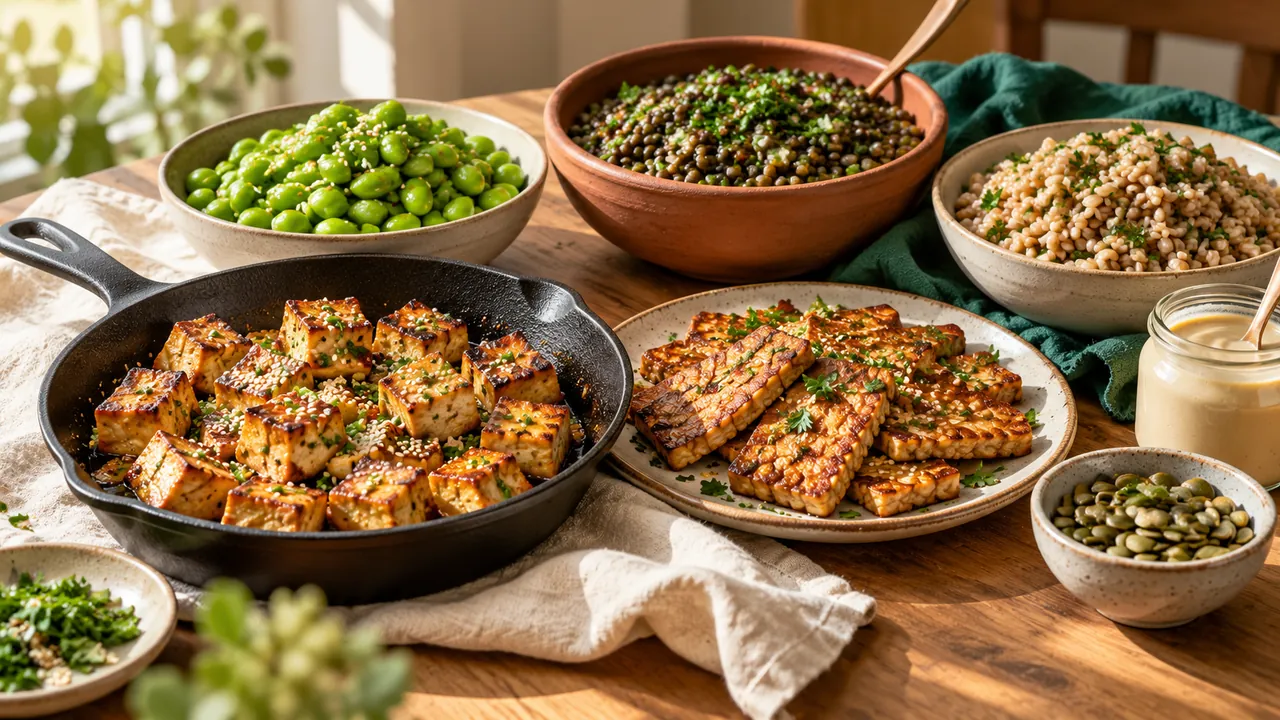 19
Plant protein after 50: does the source matter for muscle?
Plant protein can build and keep muscle after 50 when you eat enough of it, lean on soy and legumes, and train. What the research says about quality, leucine, soy myths and long-term health.
Read the article → 20
Longevity as a System: How High Performers Should Think About Healthspan
Educational content and general information only. Not medical advice.
Read the article →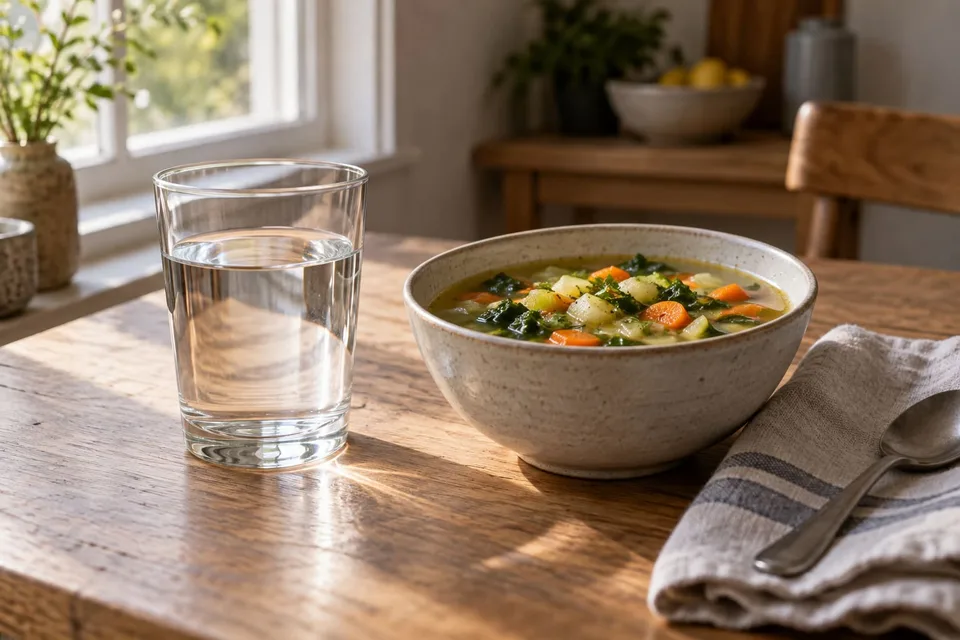 21
Five-day water fasting vs the fasting-mimicking diet: which deserves consideration?
Skip the self-directed water-fast challenge. A structured fasting-mimicking diet is a clinical discussion for selected adults, not a requirement for healthy aging.
Read the article →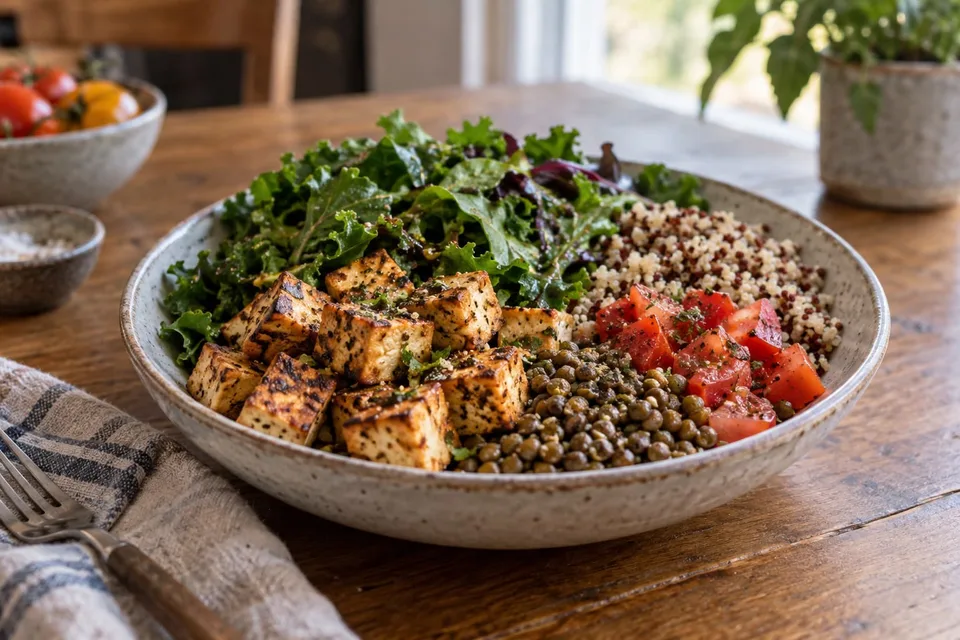 22
Build a high-protein plant-forward day: three meals without meat
Choose the protein source before you choose the garnish. Three familiar meals make plant-forward eating more substantial without turning dinner into a supplement routine.
Read the article →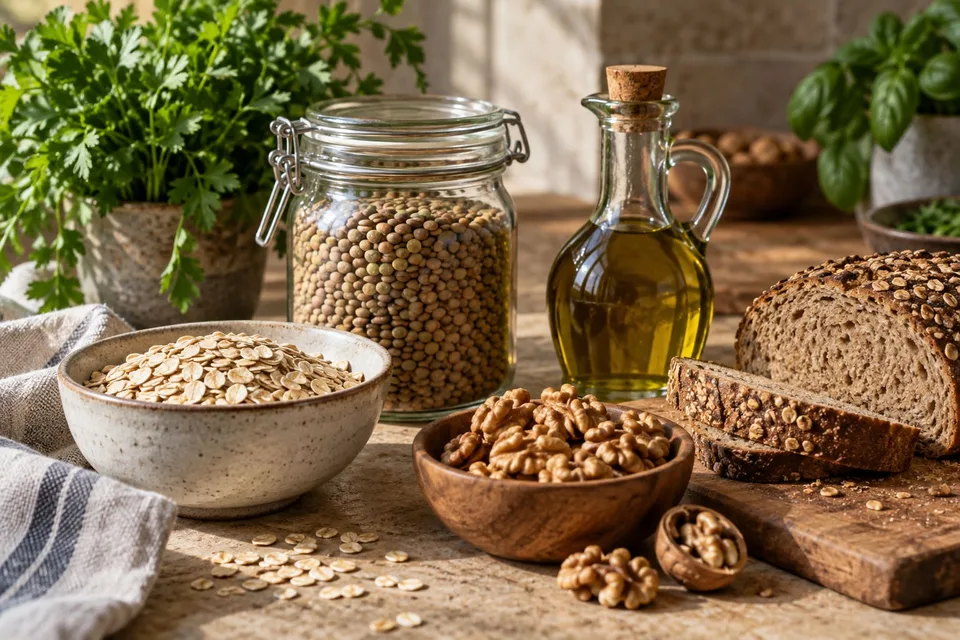 23
Which plant-food swaps help lower LDL cholesterol?
Start with the foods you replace most often. Two sustainable substitutions beat a pantry full of products carrying a heart-health promise.
Read the article →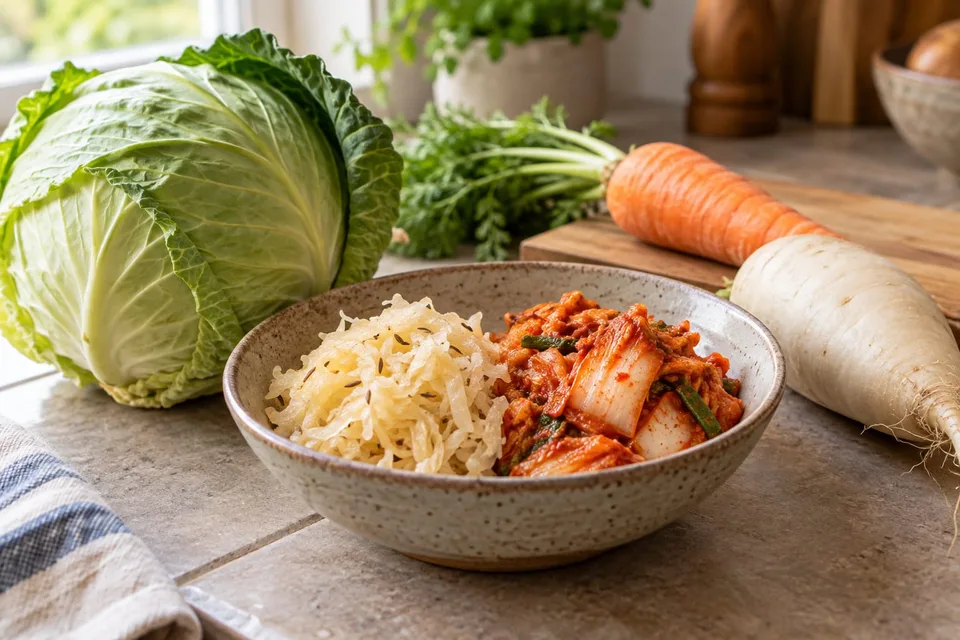 24
Are fermented foods good for gut health? What the evidence supports
A spoonful of fermented vegetables can add flavor and variety. It does not need to carry the promise of repairing your entire microbiome.
Read the article → 25
Balance training for healthy aging: why walking is only part of the plan
Staying active matters. So does being able to turn, step around an obstacle, and recover your footing without making practice itself hazardous.
Read the article → 26
Vitamin B12 on a plant-forward diet: make the source explicit
A colorful plate tells you many things. It does not, by itself, tell you whether vitamin B12 is covered.
Read the article → 27
Are packaged plant-based foods healthy? Read beyond the front label
A package can make a plant-forward meal easier. Its health value depends on what is inside, what it replaces, and how often it appears, not just the promise on the front.
Read the article → 28
Does walking after meals help blood sugar? What a short walk can do
The space between finishing lunch and returning to a chair is an opportunity for easy movement. It does not need to become another demanding workout.
Read the article → 29
How consistent should your sleep schedule be? Aim for a rhythm, not perfection
A reliable wake-up time can make the week feel less like repeated jet lag. But a schedule that looks tidy on paper is not helpful if it leaves you chronically short of sleep.
Read the article → 30
DEXA scan after 50: what bone density and body composition can tell you
A DEXA scan can answer two different questions: how dense your bones are and how your body is divided into bone, fat, and lean tissue. Those reports are related, but they are not interchangeable health scores.
Read the article →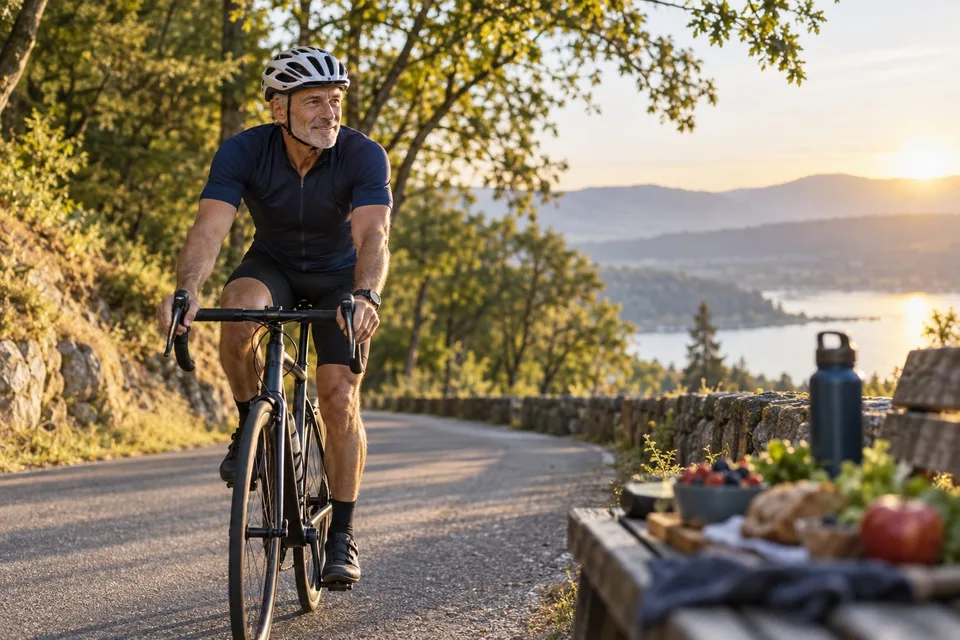 31
How to improve mitochondrial health without chasing a supplement stack
Mitochondria have become a marketing category. In human biology, the practical story is less exotic: working muscles adapt when you use them, recover, and give them enough energy and nutrients.
Read the article → 32
Exercise snacks: can a few minutes of movement improve your health?
A one-minute stair climb will not replace a complete training plan. It may still be a useful way to interrupt sitting, build confidence, and accumulate effort on days when a formal workout is not realistic.
Read the article →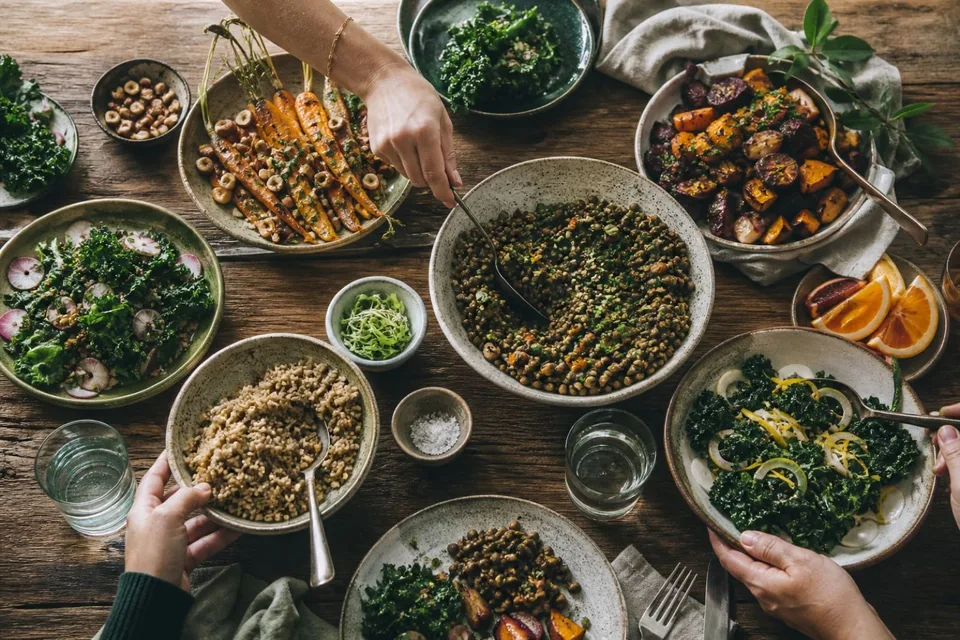 33
What does plant forward mean, and what does it look like on your plate?
Plant forward eating is not a purity test and it does not require giving up every animal food. It is a practical way to let vegetables, beans, whole grains, fruit, nuts, and seeds do more of the work on your plate.
Read the article →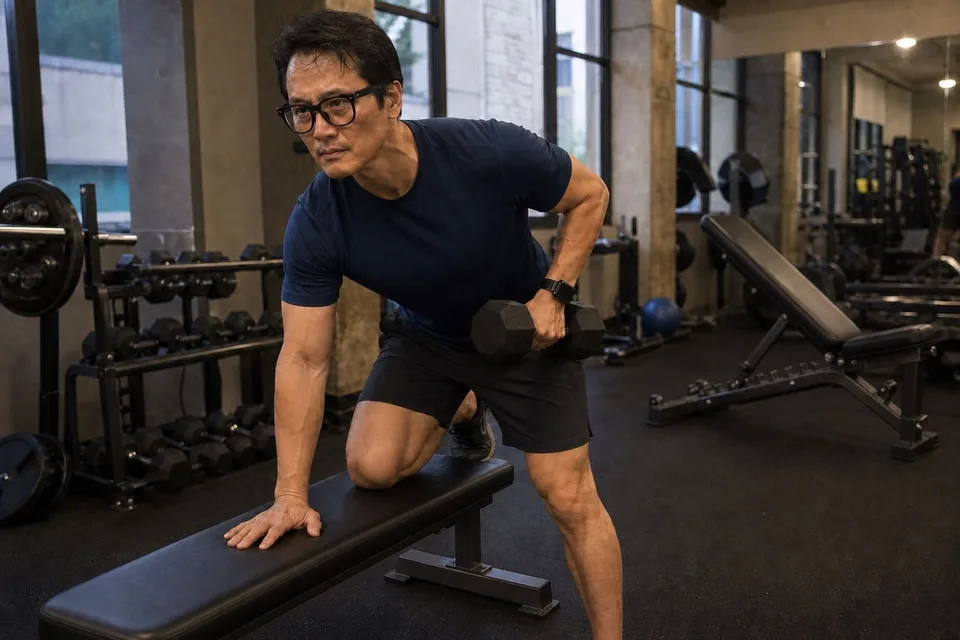 34
What is a good VO2 max after 50, and how can you improve it?
This guide is about aerobic fitness after age 50, not a VO2 max score of 50. A score is a measurement, usually in mL/kg/min; its meaning depends on age, sex, and how it was measured. The goal is useful capacity, not an elite number.
Read the article →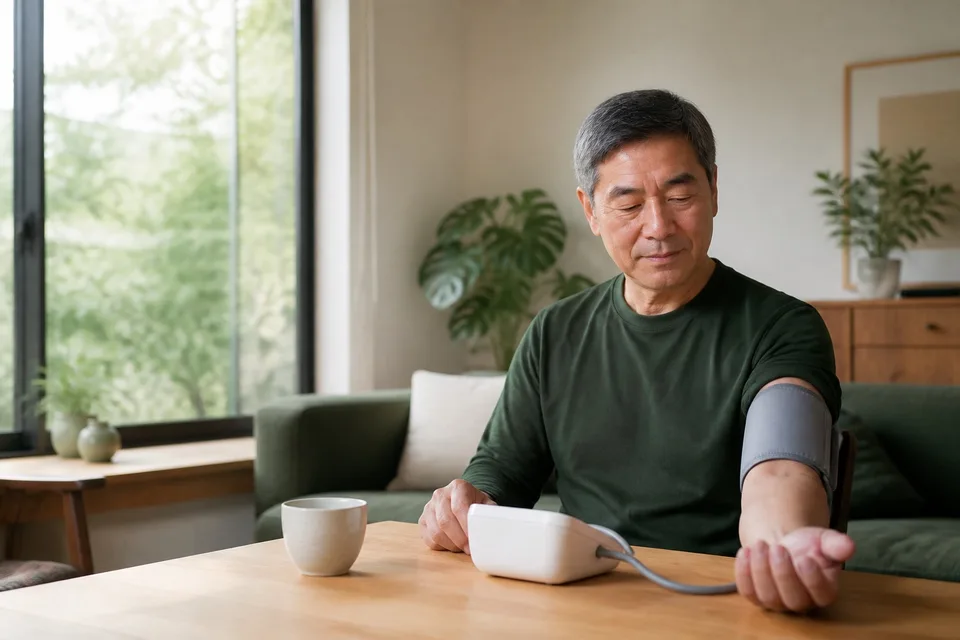 35
How to preserve muscle while taking a GLP-1 medication
Weight loss can improve health and still cost some lean tissue. The goal is not to fear an effective treatment. It is to protect strength, food quality, and function while the scale is changing.
Read the article →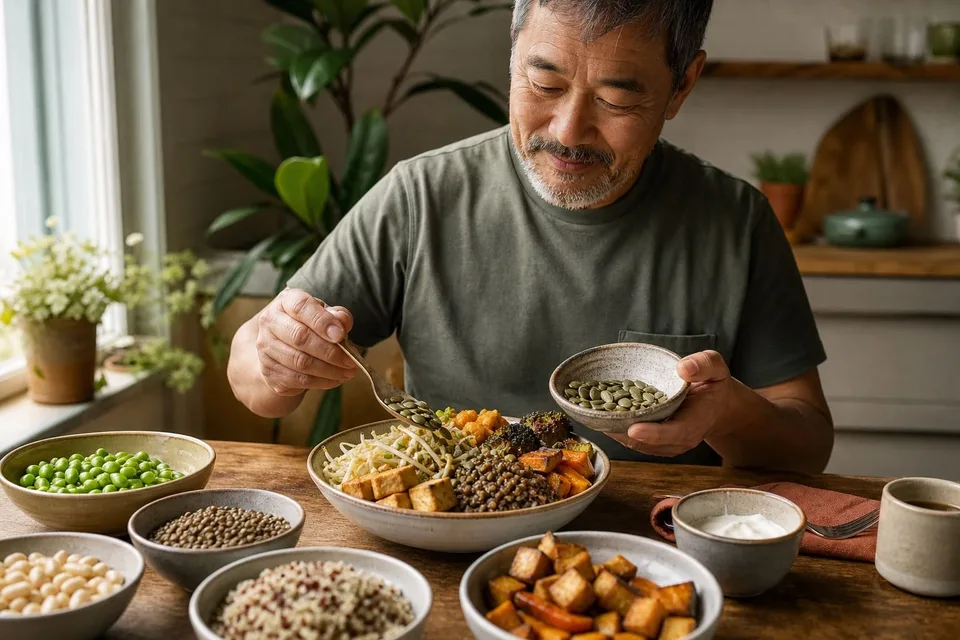 36
How much protein do you need after age 50?
If you train with purpose after 50, the protein RDA is not the finish line. Here is a more useful target for preserving muscle, recovering well, and getting more from resistance training.
Read the article →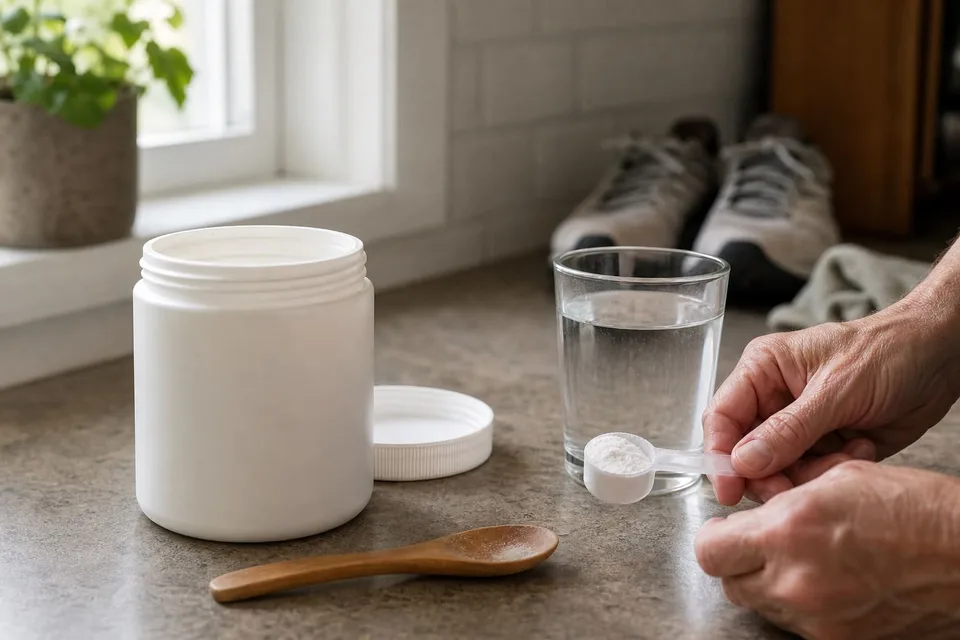 37
Creatine for healthy aging: useful, inexpensive, and often oversold
Creatine has better evidence than most supplements. Its strongest case is still strength and training. The claims about memory and brain health are more interesting than settled.
Read the article →38Zone 2 cardio or intervals: how much of each do you need?
Zone 2 and intervals solve different problems. Most people benefit from a large base of repeatable aerobic work and a smaller dose of truly hard effort.
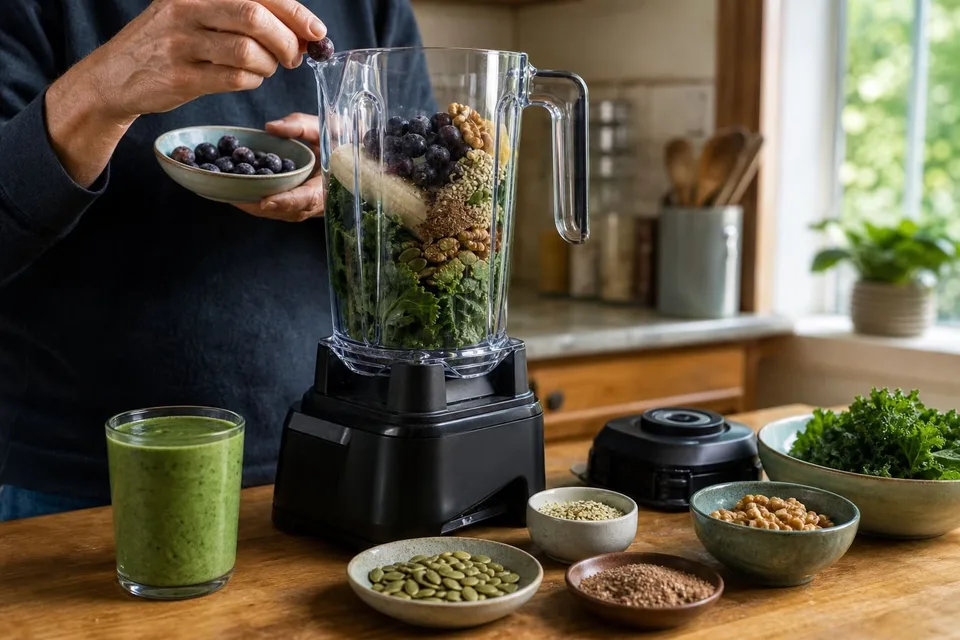
Read the article →39A green smoothie that is actually a meal
A smoothie can make a large amount of plants easier to eat. It can also become an oversized calorie load. Here is the batch I use, why each ingredient is there, and how to adapt it.
Read the article →40Strength training after 50: start where you are
Muscle is physical independence. Building it earlier helps, but research and experience agree on something hopeful: meaningful strength can still be gained late in life.
Read the article →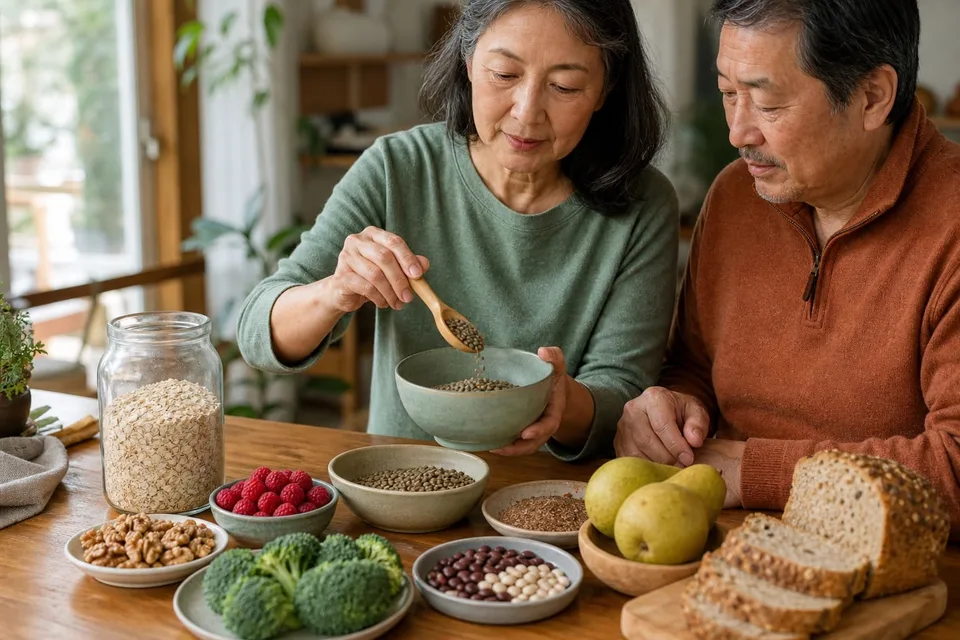 41
How quickly should you increase dietary fiber?
Fiber is one of the most useful changes people can make, and one of the easiest to rush. Your gut often needs time to adapt to the food your goals are asking it to handle.
Read the article →Keep strength in the picture.
Start with protein needs after 50 and a realistic strength-training plan. If you are receiving obesity treatment, read the separate guide to preserving muscle during GLP-1 treatment with your prescribing team.
Evidence with a point of view, and room for uncertainty.
Every article links to its sources, names important limits, and distinguishes practical judgment from settled guidance.
How articles are reviewed →