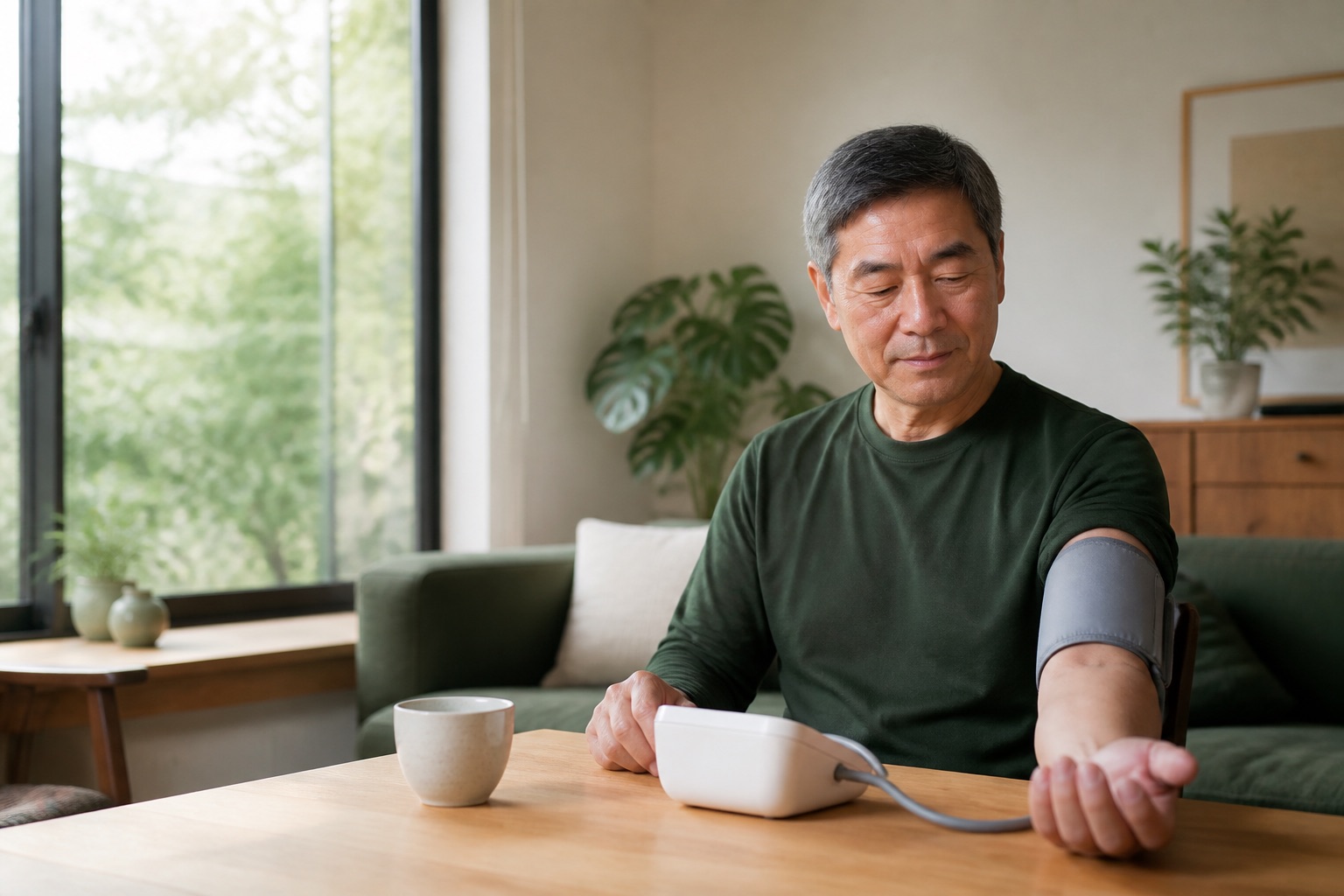
A good VO2 max is one that is healthy for your age, sex, body size, and testing method. Laboratory reference data are more reliable than a universal internet chart. After 50, aerobic fitness can still improve with regular moderate cardio and a smaller dose of harder intervals when those intervals are safe for you.
What matters most
Four things to remember
- 01
VO2 max measures the highest rate at which your body can use oxygen during demanding exercise.
- 02
Age, sex, body size, exercise mode, and the way the test is performed all affect the number.
- 03
A watch estimate can be useful for a personal trend, but it is not interchangeable with a laboratory cardiopulmonary exercise test.
- 04
A repeatable aerobic base plus one carefully chosen interval session is a practical way to improve fitness after 50.
01
Why VO2 max gets so much attention
VO2 max is shorthand for maximal oxygen uptake. It reflects how well the lungs, heart, blood vessels, blood, and working muscles cooperate when exercise becomes demanding. It is one measure of cardiorespiratory fitness, not a complete grade for your health.
The American Heart Association has argued that cardiorespiratory fitness deserves attention as a clinical vital sign because it adds useful information about health risk. That does not mean the number causes longevity by itself. Fitness also reflects physical activity, illness, genetics, body composition, and many other parts of health.
02
There is no single good number for everyone over 50
Search results often offer one table and invite you to label yourself poor, good, or excellent. Real interpretation is more careful. VO2 max generally declines with age, and reference values differ by sex and by whether the test uses a treadmill or bicycle. Body weight also changes a value that is reported in milliliters of oxygen per kilogram per minute.
The FRIEND registry provides age and sex specific reference standards from directly measured exercise tests in the United States. That is more useful than comparing a laboratory treadmill result with a watch estimate or with a chart whose source is unclear. Ask which population and test created the reference before treating the category as meaningful.
03
What a watch can and cannot tell you
A laboratory cardiopulmonary exercise test measures breathing gases while workload rises. A wearable usually estimates VO2 max from pace, heart rate, movement, and personal information. The estimate may shift when the device fit, terrain, heat, medication, or heart rate response changes.
That does not make the watch useless. Use the same device under similar conditions and look at a trend over months. Pair the estimate with ordinary function: Can you walk a hill with less breathlessness? Has your pace improved at the same effort? Do you recover more quickly? Those changes matter even when the displayed number is imperfect.
04
How to improve VO2 max after 50
Begin with enough moderate aerobic work to create consistency. Brisk walking on an incline, cycling, rowing, swimming, and jogging can all work. The effort should raise breathing while still allowing short sentences. Two to four sessions each week is a useful range, and a beginner can start with 20 minutes.
When that base feels comfortable, add one interval session. The hard periods should feel purposeful, not reckless. A simple starting format is four to six repeats of one minute at a hard but controlled effort, with two minutes of easy movement between them. Warm up first and leave at least one easier day before the next demanding session.
Older adults in controlled endurance studies have improved VO2 max meaningfully. Improvement varies, and the most effective plan is not always the most intense one. Training that continues for months has more value than a dramatic week followed by pain or exhaustion.
05
Keep strength and recovery in the same plan
Aerobic capacity is one part of staying capable. Strength, balance, mobility, sleep, nutrition, and recovery still matter. Two full body resistance sessions each week can support the muscles that let you use your aerobic fitness outside a test.
Count hard hikes, competitive sports, demanding classes, and heavy leg training as part of the same recovery budget. If resting heart rate, sleep, mood, or performance worsens for several days, the answer may be an easier week rather than another interval session.
Put it into practice
A four week aerobic fitness starter
- 01
Week 1: complete three comfortable aerobic sessions of 20 to 30 minutes.
- 02
Week 2: add five minutes to one or two sessions if recovery is good.
- 03
Week 3: keep two moderate sessions and add four one minute controlled intervals with two minutes easy between them.
- 04
Week 4: repeat the schedule. Add an interval only if the earlier work felt controlled.
- 05
Track one comparable walk, ride, or row every two to four weeks using the same route and similar conditions.
- 06
Judge progress with pace, effort, recovery, and function as well as a device estimate.
Safety first
When general advice is not enough
- Ask a qualified clinician about vigorous exercise if you have chest symptoms, unexplained fainting, unstable heart or lung disease, poorly controlled blood pressure, or a major change in exercise tolerance.
- Stop and seek urgent help for chest pressure, fainting, new neurological symptoms, or severe breathlessness that is out of proportion to the effort.
- Heart rate formulas can be inaccurate, and medicines such as beta blockers change the response. Do not force a target that conflicts with symptoms.
A few useful follow ups
What is a normal VO2 max for a 50 year old?
There is no single normal value. Reference ranges depend on sex, body size, test mode, and the population used. The FRIEND registry offers age and sex specific standards for directly measured treadmill and cycle tests.
Can I improve my VO2 max after 50?
Yes. Controlled endurance training studies show meaningful improvement in older adults. Regular moderate work, carefully introduced intervals, and enough months of consistency are a practical combination.
Is a smartwatch VO2 max accurate?
It is an estimate, not a direct gas measurement. It can be useful for following your own trend when the device and conditions stay similar, but it should not be treated as interchangeable with a laboratory test.
Related reading
Build the full picture
Sources and further reading
Primary guidance and research reviewed for this article.
American Heart Association statement on cardiorespiratory fitness ↗Updated FRIEND reference standards for cardiorespiratory fitness ↗VO2 max reference equation from the FRIEND registry ↗Meta analysis of endurance training and VO2 max in older adults ↗WHO guidelines on physical activity and sedentary behaviour ↗
Sung Won, MD
Physician by training and health educator focused on evidence based longevity, plant forward nutrition, and habits people can sustain.
Read the full biography →