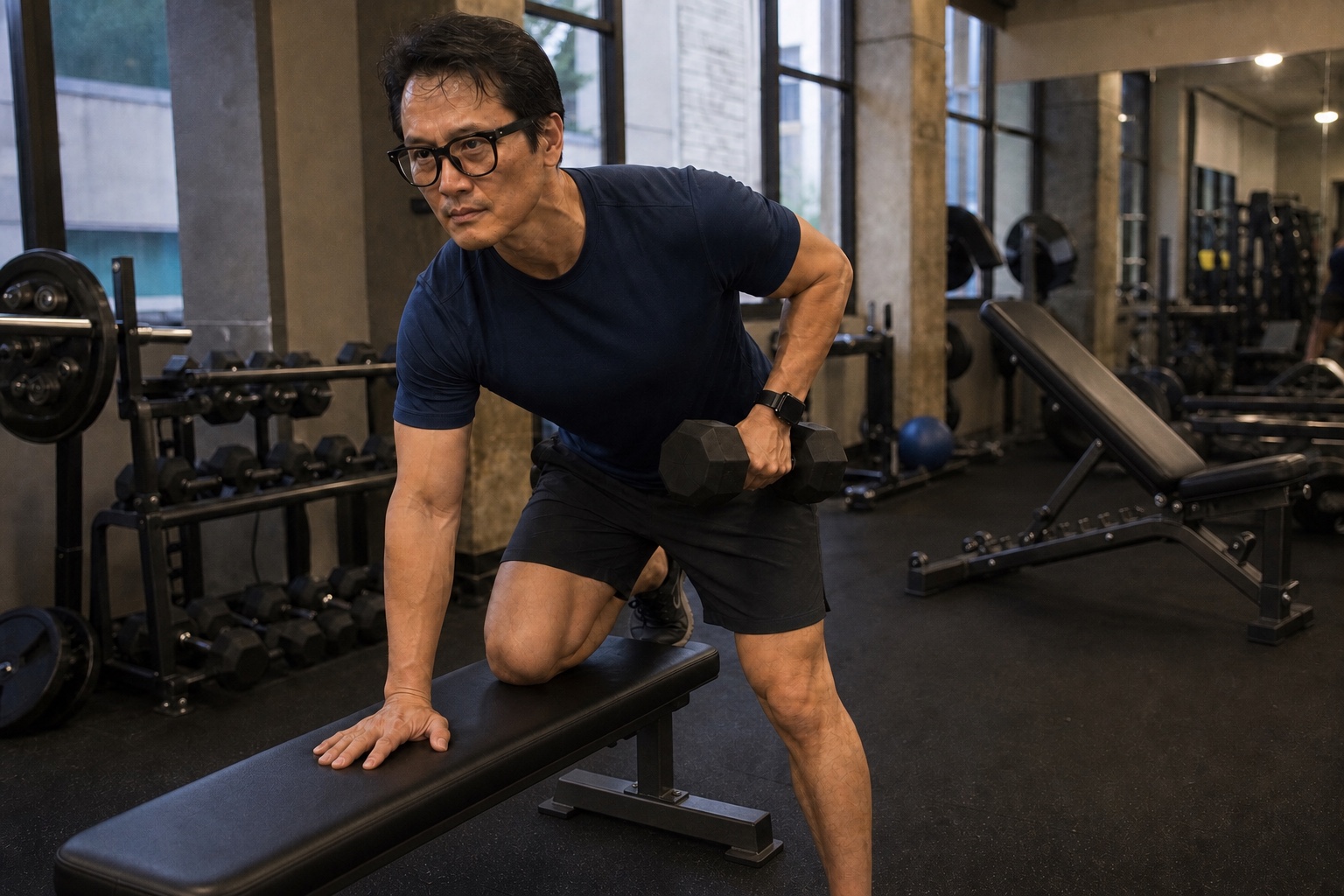
Exercise snacks are brief bouts of purposeful movement—often a minute or less—repeated during the day. Small trials suggest some protocols can improve cardiorespiratory fitness, and public-health guidance confirms that activity of any duration counts. But results vary, the evidence base is still small, and very short bouts do not replace weekly strength, balance, and aerobic training. Use them as a bridge and a bonus, not a loophole.
What matters most
Four things to remember
- 01
Movement snacks can be walking, stairs, sit-to-stands, carries, or brief bodyweight work; they do not have to be all-out.
- 02
Any duration of moderate-to-vigorous activity can contribute to health, but total weekly volume still matters.
- 03
Trials are generally small and use different definitions, so confident promises about weight loss or longevity are premature.
- 04
The best snack is one that fits a reliable cue and does not create pain, dizziness, or unsafe breathlessness.
01
What researchers mean by an exercise snack
The term usually describes a brief, planned bout of movement performed several times across the day. Studies have used stair climbing, cycling, brisk walking, and bodyweight exercises. Related research examines vigorous intermittent lifestyle physical activity—short bursts that happen during ordinary tasks rather than a formal workout.
There is no standard dose. Some protocols ask for three 20-second hard efforts. Others use one-minute bouts, several minutes of walking, or a short set of squats. That variety is useful in life but makes the research harder to compare.
02
Why short bouts count
Current U.S. physical-activity guidance removed the old requirement that activity last at least 10 minutes. Evidence indicates that moderate-to-vigorous activity of any duration can contribute to the benefits associated with total activity.
This matters because the choice is often not between a perfect 45-minute workout and a one-minute stair climb. It is between moving briefly and remaining seated. A small bout can also lower the psychological barrier to starting.
03
What the trials show so far
A 2024 scoping review found that exercise snacks appeared feasible and generally safe, with modest signals for improved cardiorespiratory fitness. The authors also emphasized that studies were limited, often small, and used inconsistent methods.
One small randomized trial in young inactive adults reported a 7 percent rise in peak oxygen uptake after six weeks of brief stair-climbing sessions. A newer 12-week remote trial in inactive adults around age 54 found good adherence but no meaningful fitness or biomarker advantage over a stretching control. That contrast is a reminder to avoid turning a promising idea into a guarantee.
04
Choose the right intensity after 50
An exercise snack can be easy, moderate, or vigorous. If you are returning from inactivity, begin with a minute of comfortable movement: walk the hallway, stand from a chair five times, or climb one flight of stairs at a controlled pace.
Progress by adding a repetition or slightly increasing pace, not by making every break maximal. Vigorous snacks create a stronger stimulus but also require more screening, warm-up, coordination, and recovery.
05
Use environmental cues instead of motivation
Attach movement to events that already happen: after a meeting, while coffee brews, before lunch, or each time you return from the restroom. Keep the option specific enough that you do not have to negotiate with yourself.
A calendar alert can help at first, but the durable version belongs to the environment. Put a resistance band near your desk, choose the stairs for one predictable trip, or take phone calls while walking.
06
Know what exercise snacks cannot do alone
A few scattered minutes may improve an inactive day, but they do not automatically provide progressive resistance for every major muscle group, sustained aerobic volume, balance practice, or sport-specific skill.
Keep a larger weekly plan when you can. Use snacks to reduce sitting, preserve momentum, and make the plan more resilient when travel, caregiving, or work disrupts longer sessions.
Put it into practice
A seven-day movement-snack experiment
- 01
Choose one safe movement: a brisk hallway walk, controlled stairs, sit-to-stands, wall push-ups, or a light carry.
- 02
Attach it to three existing cues in your day.
- 03
Start with 30 to 60 seconds at an effort that leaves you in control.
- 04
Use stable footwear and surroundings; stop before technique breaks down.
- 05
Record completion, not calories, and notice energy, discomfort, and breathlessness.
- 06
After one week, keep the cue that worked and add longer aerobic and strength sessions around it.
Safety first
When general advice is not enough
- Do not begin with all-out stairs or sprints if you are inactive, unsteady, or have concerning heart, lung, neurological, or joint symptoms.
- Stop for chest pressure, faintness, severe or unusual shortness of breath, or new neurological symptoms and seek appropriate care.
- A chair, wall, railing, or slower movement can make the same habit safer. Pain is not required for the activity to count.
A few useful follow ups
How long is an exercise snack?
There is no standard definition. Research protocols range from seconds to several minutes, usually repeated across the day.
Can exercise snacks replace a workout?
They can improve an inactive day and may build fitness in some protocols, but they do not reliably replace the full weekly mix of aerobic activity, strength, and balance.
Are exercise snacks good for weight loss?
They add activity, but current trials do not justify promising meaningful weight loss from brief bouts alone. Nutrition, total activity, sleep, medications, and biology all matter.
What is the easiest movement snack after 50?
A short brisk walk or several controlled chair stands is a practical start. Choose an option that matches your balance, joints, and current fitness.
Related reading
Build the full picture
Sources and further reading
Primary guidance and research reviewed for this article.
U.S. Physical Activity Guidelines for Americans ↗2024 scoping review of exercise snacks ↗Randomized trial of stair-climbing exercise snacks ↗2025 real-world randomized exercise-snack trial ↗Study of brief vigorous activity and cardiovascular events ↗
Sung Won, MD
Physician by training and health educator focused on evidence based longevity, plant forward nutrition, and habits people can sustain.
Read the full biography →