01Strong consensus
Sleep
Most adults should begin with a consistent opportunity for 7 or more hours of sleep. Regular timing, morning light, and a dark, quiet room are practical first steps.
Read the guideClear, practical lessons on the daily conditions that shape health—sleep, movement, food, stress, heat, and human connection.
Longevity is often marketed as a collection of hacks. The stronger case is quieter: build repeatable days around behaviors supported by the best available evidence.
Most adults should begin with a consistent opportunity for 7 or more hours of sleep. Regular timing, morning light, and a dark, quiet room are practical first steps.
Read the guideBuild toward 150–300 minutes of moderate aerobic activity each week, plus muscle-strengthening work on at least two days. Start below that if needed; consistency wins.
Read the guideCenter meals on vegetables, fruit, legumes, whole grains, nuts, and seeds. Plant-forward does not require perfection—it means making minimally processed plants the default.
Read the guideThe adult RDA is 0.8 g/kg/day—a reference level, not a universal prescription for every goal or life stage. Source quality, total diet, age, activity, and kidney health all matter.
Read the guideA useful benchmark is about 25 g/day for women and 38 g/day for men ages 19–50. Increase gradually, drink adequate fluid, and favor varied whole-food sources.
Read the guideMindfulness and relaxation practices can help some people with stress and anxiety. They are skills—not cures—and should complement professional care when symptoms persist.
Read the guideSauna may support relaxation and some cardiovascular markers, but much of the longevity evidence is observational. Hydration, heat tolerance, medications, and medical conditions matter.
Read the guideConnection is not an optional extra. Protect recurring time for family, friendship, service, faith, teams, or local groups—the settings where mutual care becomes a habit.
Read the guideLongevity also depends on ordinary prevention: blood pressure, cholesterol, glucose, vaccines, age-appropriate screening, oral health, vision, and hearing. The right schedule depends on personal risk.
Read the guideProtecting the brain is not one supplement or puzzle. Vascular health, movement, sleep, hearing, vision, learning, mood, and social connection work together across decades.
Read the guideAvoiding tobacco and nicotine is foundational. Alcohol is not required for health, and even lower intake carries some risk—including a causal relationship with several cancers.
Read the guideThere is no universal longevity stack. Supplements are most defensible when they correct a documented gap, serve a specific goal, and have a dose, safety check, and stop rule.
Read the guideCoffee and tea can fit a healthy pattern. Hydration needs change with body size, food, climate, sweat, illness, and medications; forcing a fixed gallon is not a universal target.
Read the guideEach guide begins with an answer, turns the evidence into a practical next step, and shows where certainty ends.
Search interest moves quickly. This library follows the questions people are asking while keeping the answer anchored to evidence, safety, and practical value.
Not a score to chase. A protected window that supports attention, metabolic health, mood, and safety.
Read the joint consensus statement ↗Every educational piece should help you see what is known, what is uncertain, and what is simply not yet answerable.
Guidelines, consensus statements, systematic reviews, and public records are linked directly.
Established guidance is separated from promising but preliminary evidence.
Age, health history, medications, culture, access, and goals change what is appropriate.
Meaningful errors will be dated, corrected, and explained instead of silently rewritten.
This library is being built around a simple promise: start with consequential questions, read beyond headlines, link the evidence, and translate it into actions that are realistic enough to repeat.
Articles prioritize consensus statements, public-health guidance, systematic reviews, and primary research. The strength and limitations of the evidence are part of the story—not fine print.
Nothing here is individualized medical care. The goal is to make better conversations possible between readers and qualified clinicians, especially when health history, medications, symptoms, or competing risks make a general recommendation incomplete.
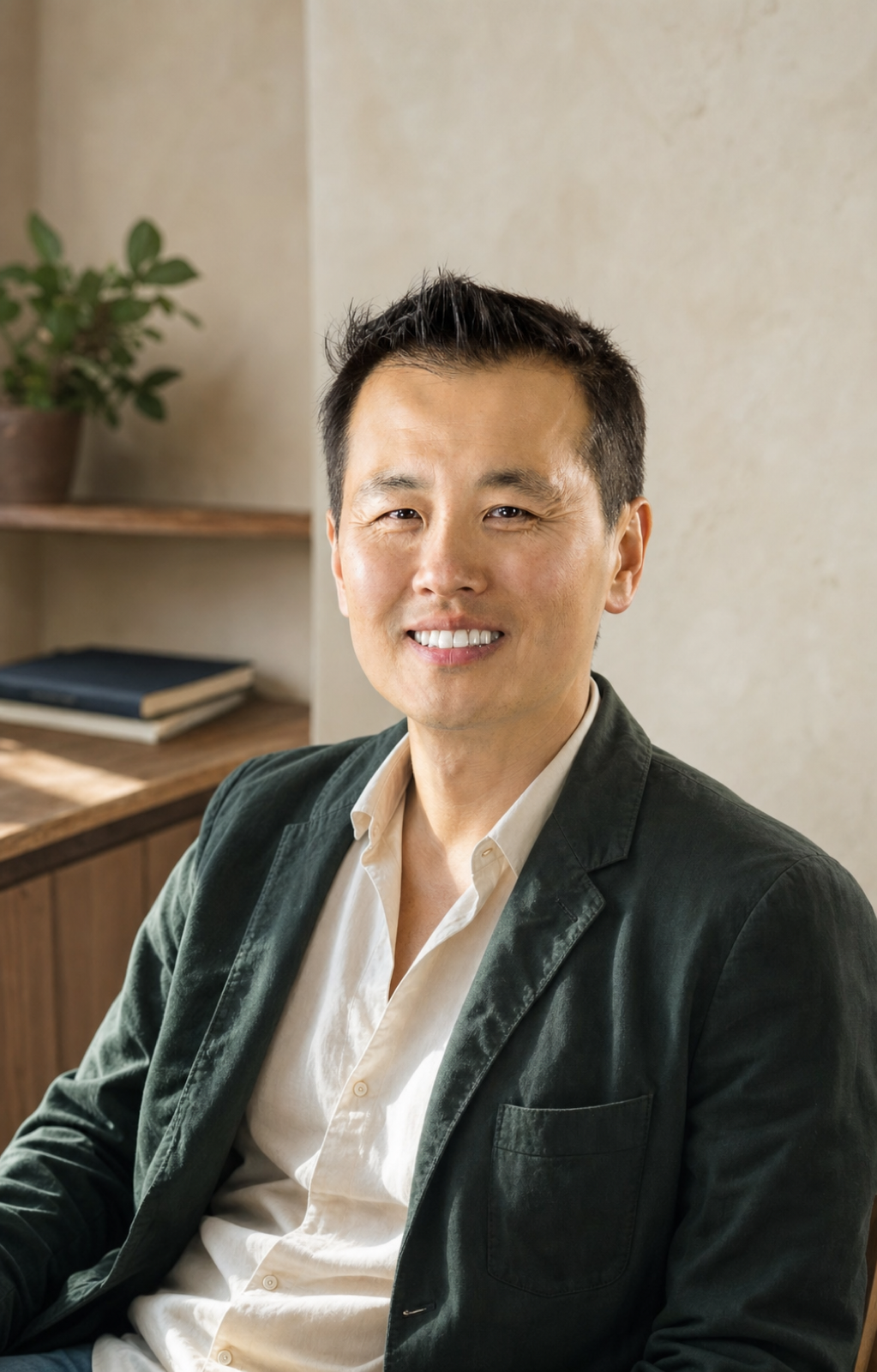
Sung Won, MD, trained in orthopedic surgery and spine surgery and spent more than two decades in clinical care, surgical innovation, and healthcare organization building.
His medical education began at the University of Texas Medical Branch, followed by orthopedic residency at Washington University in St. Louis and fellowship training in spine surgery at William Beaumont Hospital and Washington University.
His additional nutrition education includes completion of the Plant-Based Nutrition Certificate offered by the T. Colin Campbell Center for Nutrition Studies and powered by eCornell. That training informs his plant-forward approach to nutrition and healthy longevity.
His current focus is educational: translating longevity research into practical ideas while being explicit about evidence quality, uncertainty, and the limits of general information.
A weekly question for a longer life