Weight loss with GLP 1 based treatment usually includes both fat mass and lean mass. Lean mass is not identical to skeletal muscle, so alarming percentages need context. The most practical protection is progressive resistance training, adequate protein and energy, attention to nutrient quality, and monitoring strength and function with the prescribing care team.
What matters most
Four things to remember
- 01
Losing lean mass during weight loss is not unique to GLP 1 treatment, and lean mass includes water and other tissue as well as muscle.
- 02
Protein alone is unlikely to preserve muscle without structured resistance training.
- 03
For an active adult after 50, this site uses 1.4 to 1.6 g/kg/day as a practical protein target, but obesity treatment may require an adjusted or target weight rather than current body weight.
- 04
Track strength, energy, symptoms, and the pace of weight loss, not only the number on the scale.
01
What the body composition studies actually show
Semaglutide, tirzepatide, and related medicines can produce substantial weight loss. When body composition is measured, both fat mass and lean mass usually fall. That happens with many forms of weight loss because a smaller body needs less supporting tissue and because calorie restriction can reduce muscle protein synthesis.
Lean mass is broader than muscle. It includes water, organs, connective tissue, and other fat free tissue. In the SURMOUNT 1 body composition substudy, about three quarters of the weight lost with tirzepatide was fat mass and about one quarter was lean mass. That result should not be translated into a claim that one quarter of the weight loss was skeletal muscle.
02
Why adults over 50 should pay closer attention
Age related changes in muscle, lower activity, illness, and periods of weight loss can all narrow the reserve that keeps a person strong and independent. Appetite suppression may make it harder to eat enough protein, fiber, vitamins, and minerals. Nausea or early fullness can make the problem more practical than theoretical.
The right response is not to avoid clinically appropriate weight loss. Excess body fat can impair mobility and cardiometabolic health. The goal is to improve the ratio of fat loss to lean tissue loss while keeping strength, balance, and daily function visible.
03
Resistance training is the central signal
A muscle needs a reason to stay. Progressive resistance training provides that signal. A joint advisory from major nutrition, lifestyle medicine, and obesity organizations emphasizes that higher protein intake alone is unlikely to preserve muscle without structured strength training.
Aim for two or three full body sessions each week when appropriate. Use movements that cover a squat or sit to stand, a hip hinge, a push, a pull, a carry, and calf or balance work. Begin below your maximum, keep two or three good repetitions in reserve, and increase resistance gradually.
If frailty, pain, neuropathy, recent surgery, or severe deconditioning makes a standard gym plan unrealistic, a physical therapist or qualified exercise professional can help make the signal safe enough to repeat.
04
Set a protein target that fits the person
For healthy active adults after 50 who resistance train, I use 1.4 to 1.6 grams of protein per kilogram per day, about 0.64 to 0.73 grams per pound. During obesity treatment, multiplying a high current body weight can overestimate needs. A clinician or registered dietitian may use target weight, adjusted weight, or lean mass instead.
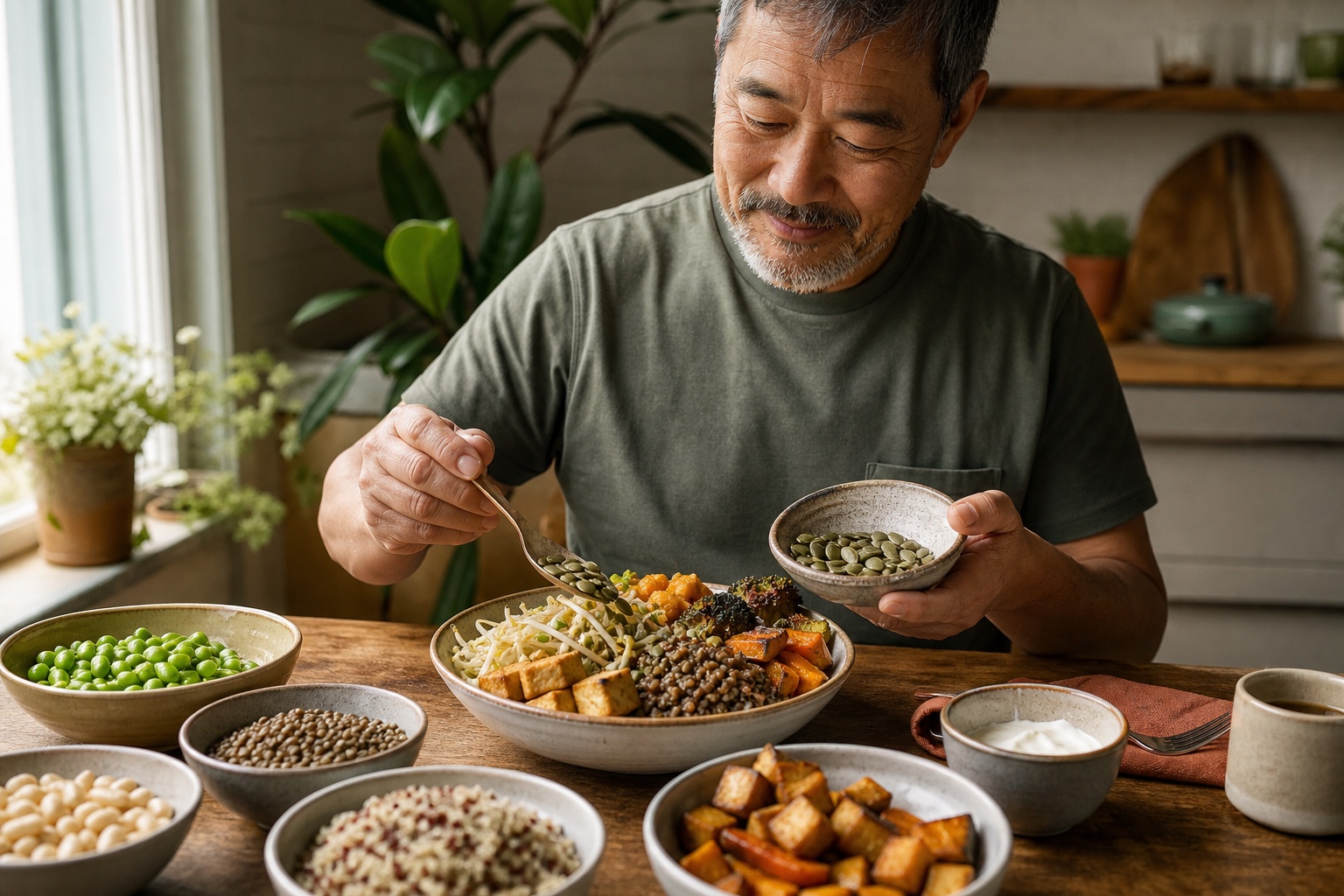
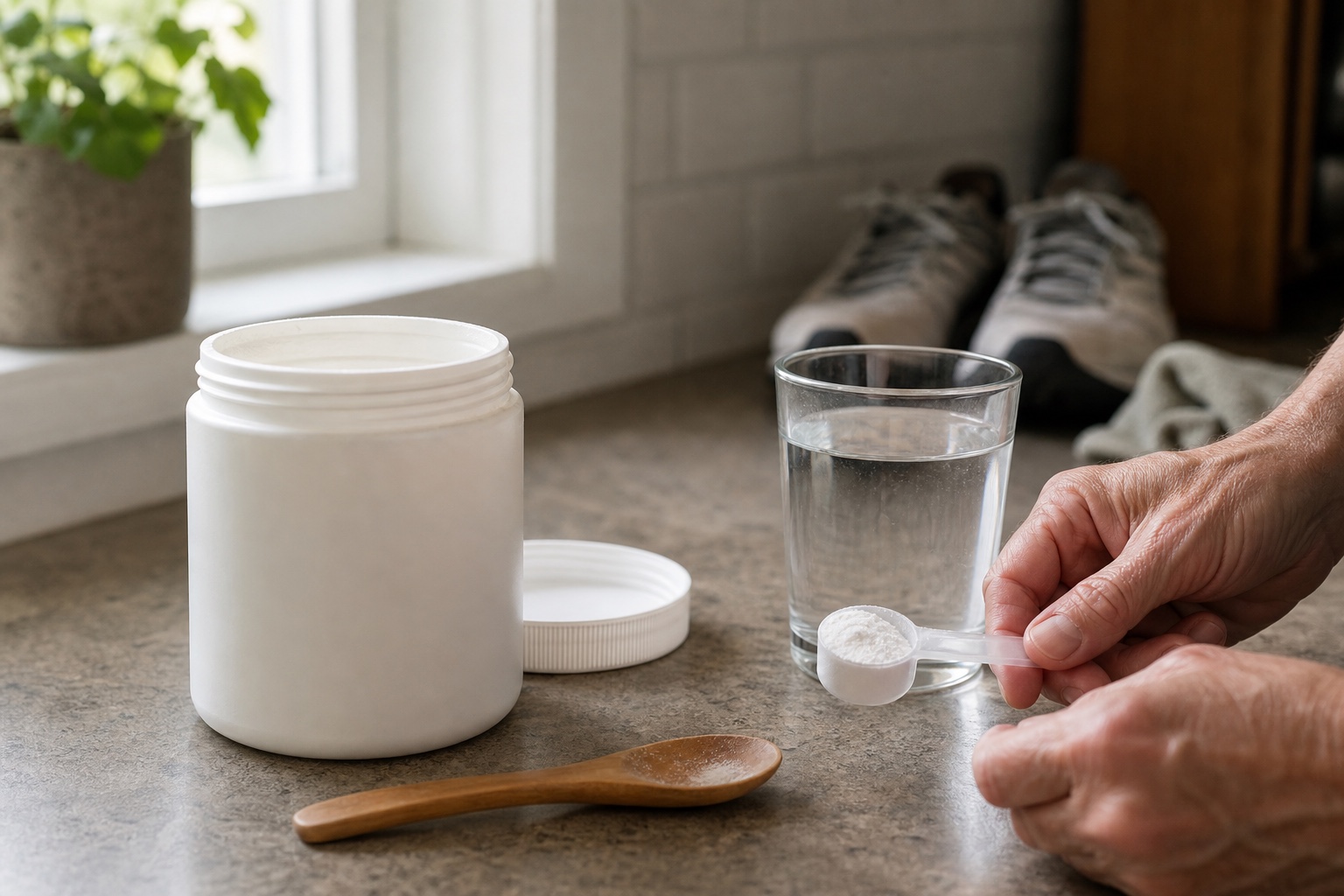
Spread protein across three or four eating opportunities rather than trying to rescue the day with one large dinner. Soy foods, lentils, beans, peas, Greek style yogurt, eggs, fish, poultry, and a simple protein powder can all help. Choose the sources that also support fiber, cardiometabolic health, tolerance, and personal preference.
When nausea or early fullness is strong, smaller meals and easier textures may work better. A smoothie or protein drink can be useful, but it should not become the only source of nutrition. Persistent difficulty eating deserves clinical review.
05
Monitor function, nutrition, and the pace of change
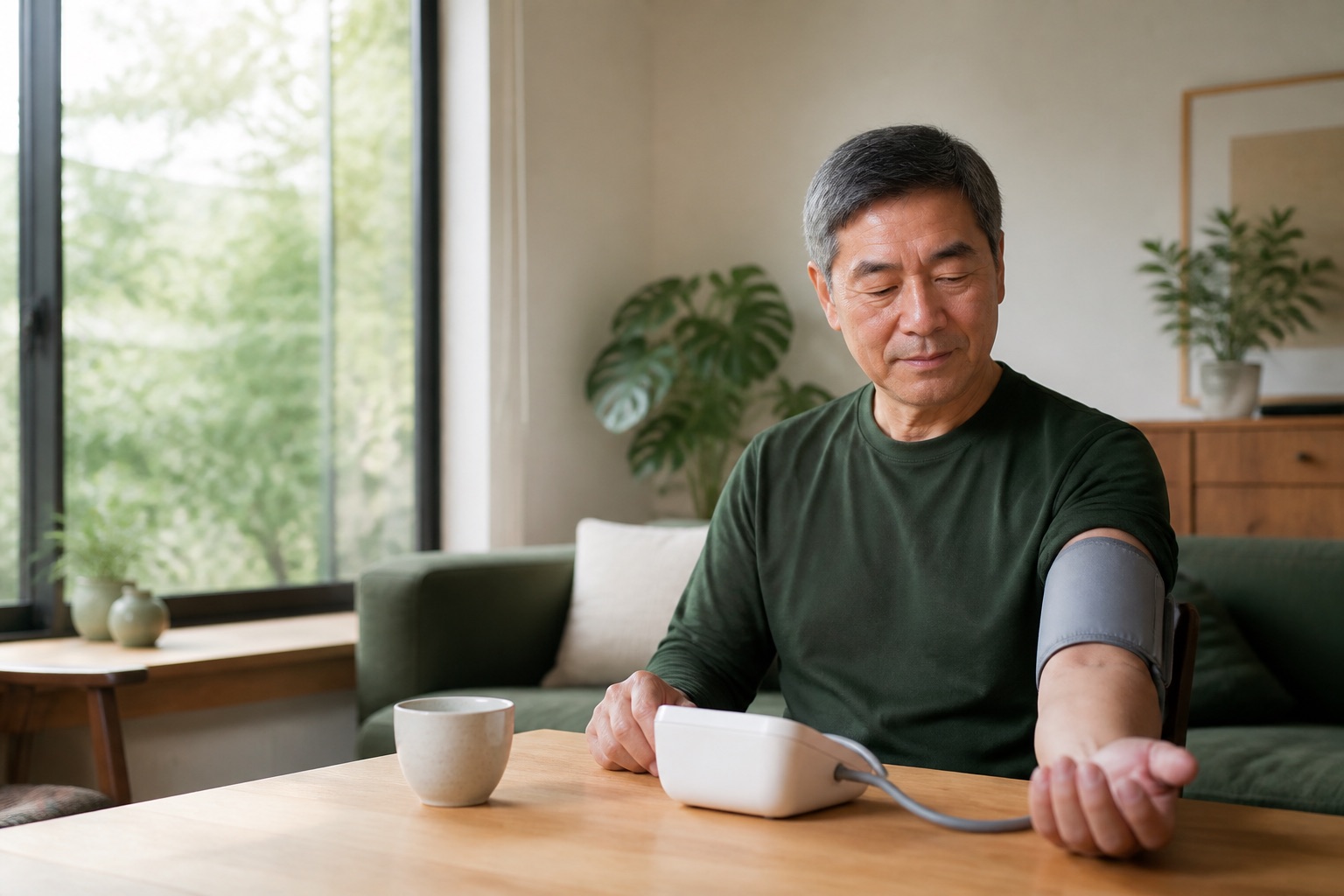
Body composition scans are not mandatory and have measurement limits. A simple record can still be useful: body weight trend, waist measurement, a repeated chair stand or carry, training loads, walking pace, and how ordinary tasks feel. If weight is falling while strength and food intake collapse, that is worth discussing with the care team.
Also watch for persistent vomiting, dehydration, constipation, severe abdominal pain, symptoms of gallbladder disease, or signs of malnutrition. Medication decisions belong with the prescriber. A website cannot determine whether a dose, pace of loss, or treatment is appropriate for one person.
Put it into practice
A muscle preservation checklist
- 01
Discuss the expected pace of weight loss, side effects, and nutrition plan with the prescribing clinician.
- 02
Schedule two or three full body resistance sessions each week at a level you can recover from.
- 03
Set an appropriate protein target, using 1.4 to 1.6 g/kg/day for an active adult when that calculation fits the person.
- 04
Distribute protein across three or four meals or snacks and keep plant foods visible for fiber and micronutrients.
- 05
Track one or two functional measures such as chair stands, carrying capacity, walking pace, or training loads.
- 06
Report persistent inability to eat, rapid weakness, severe symptoms, or a major decline in function to the care team.
Safety first
When general advice is not enough
- GLP 1 medicines are prescription treatments. Starting, stopping, or changing a dose requires the prescribing clinician.
- Severe abdominal pain, persistent vomiting, dehydration, fainting, or symptoms of a serious allergic reaction need prompt medical attention.
- Protein and exercise targets should be individualized for kidney disease, liver disease, pregnancy, eating disorders, frailty, or major mobility limitations.
A few useful follow ups
Do GLP 1 medicines cause muscle loss?
Weight loss with GLP 1 based treatment includes some lean mass as well as fat mass. Lean mass is not the same as skeletal muscle, and some lean tissue loss also occurs with weight loss from other methods. Strength and function deserve monitoring.
How much protein should I eat while taking a GLP 1 medication?
For a healthy active adult after 50 who resistance trains, 1.4 to 1.6 g/kg/day is a practical target. In obesity treatment, current body weight may overestimate needs, so target weight, adjusted weight, lean mass, kidney health, and total intake should be considered with a clinician or dietitian.
How often should I strength train while using a GLP 1 medication?
Two or three full body sessions each week is a practical goal for many adults. The program should match current ability, symptoms, joint health, and recovery.
Related reading
Build the full picture
Sources and further reading
Primary guidance and research reviewed for this article.
Joint advisory on nutritional priorities during GLP 1 therapy ↗SURMOUNT 1 substudy of tirzepatide and body composition ↗Body composition principles for interpreting lean mass loss with GLP 1 treatment ↗WHO guideline on GLP 1 therapies for obesity ↗American Diabetes Association standards for obesity pharmacotherapy ↗
Sung Won, MD
Physician by training and health educator focused on evidence based longevity, plant forward nutrition, and habits people can sustain.
Read the full biography →