Belonging is a health behavior
Health advice often treats relationships as a pleasant extra. They are not. Feeling known, useful, and responsible to other people changes how a life is lived.
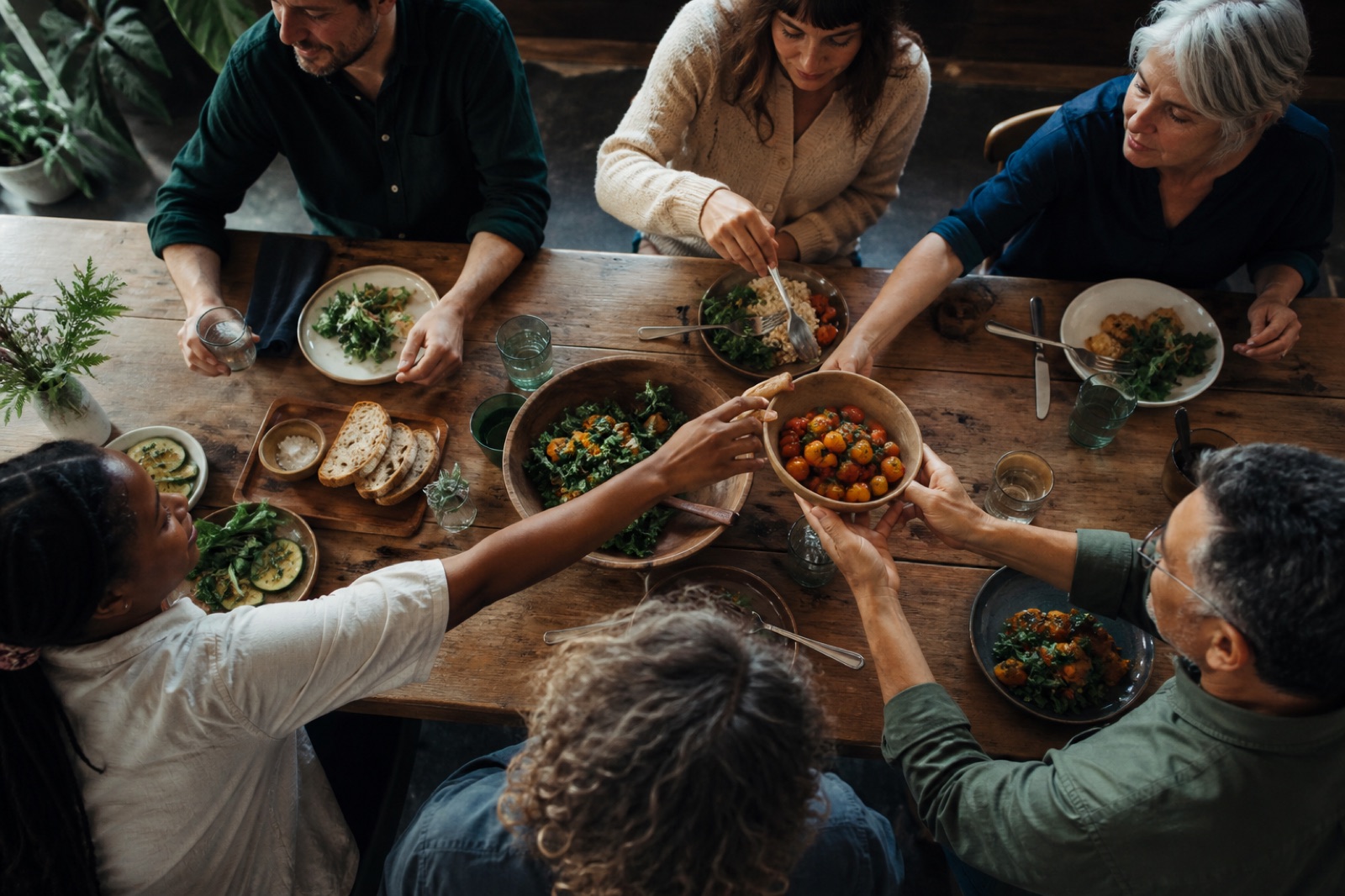
Longevity conversations often focus on what an individual can measure. Belonging is harder to put on a dashboard, yet it shapes meals, movement, mood, purpose, and whether someone has help during a difficult week.
The answer is not simply to meet more people. We need repeated contact, trust, and roles that allow us to give as well as receive. Community is built through participation.
Being around people is not the same as being known
A full calendar can still be lonely. So can a large online audience. Connection has several parts: how many relationships we have, what roles they play, and whether those relationships feel dependable and honest. Quality and variety both matter.
Ritual beats good intentions
A weekly walk, shared meal, faith gathering, class, team, or volunteer shift creates repeated contact without requiring a new decision every time. Trust usually grows in those unremarkable moments. We show up, learn each other’s stories, and notice when someone is missing.
Belonging includes being needed
Support is not only something we receive. Teaching, listening, caregiving, volunteering, cooking, and making introductions give us a role in other people’s lives. That sense of contribution is easy to overlook, and deeply human.
Questions readers often ask
What is the difference between loneliness and social isolation?
Social isolation describes limited contact or relationships. Loneliness is the distressing feeling that one’s desired connection is missing. A person can experience either one without the other.
Can social connection affect physical health?
Yes. Social isolation and loneliness are associated with worse physical and mental-health outcomes. Association does not make relationships a medical treatment, but connection belongs in a serious healthy-aging plan.
How can adults build community?
Choose settings that meet repeatedly: a walking group, faith community, class, volunteer role, team, shared meal, or regular call. Recurrence gives acquaintances time to become dependable relationships.
Sources & further reading
U.S. Surgeon General advisory on social connection ↗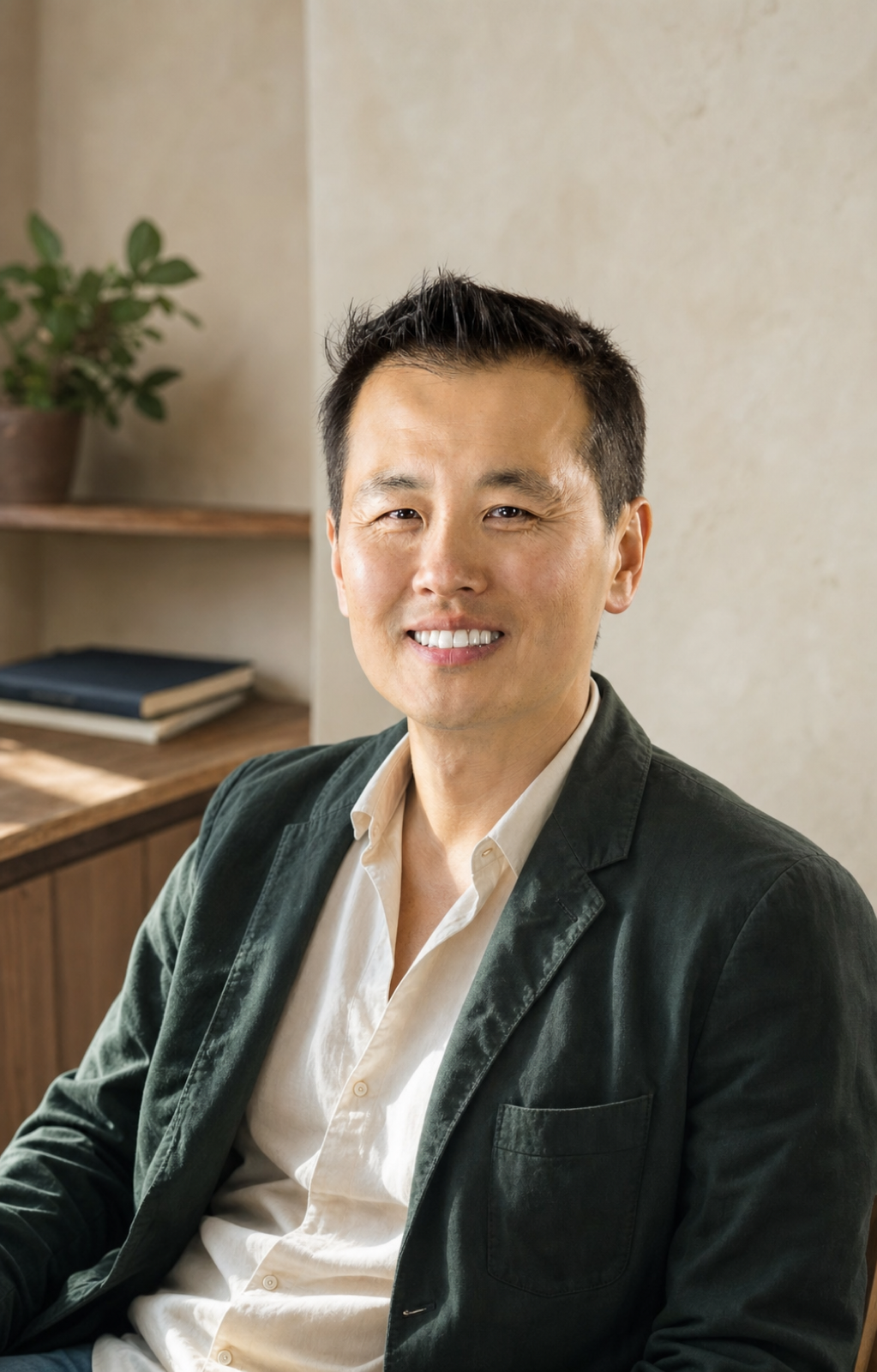
Sung Won, MD
Physician by training and health educator focused on evidence-based longevity, plant-forward nutrition, and practical habits people can sustain.
Biography and credentials →