Hydration is not a gallon contest
Hydration advice has become strangely competitive. Your needs depend on heat, movement, food, body size, health, and how much fluid you are actually losing.
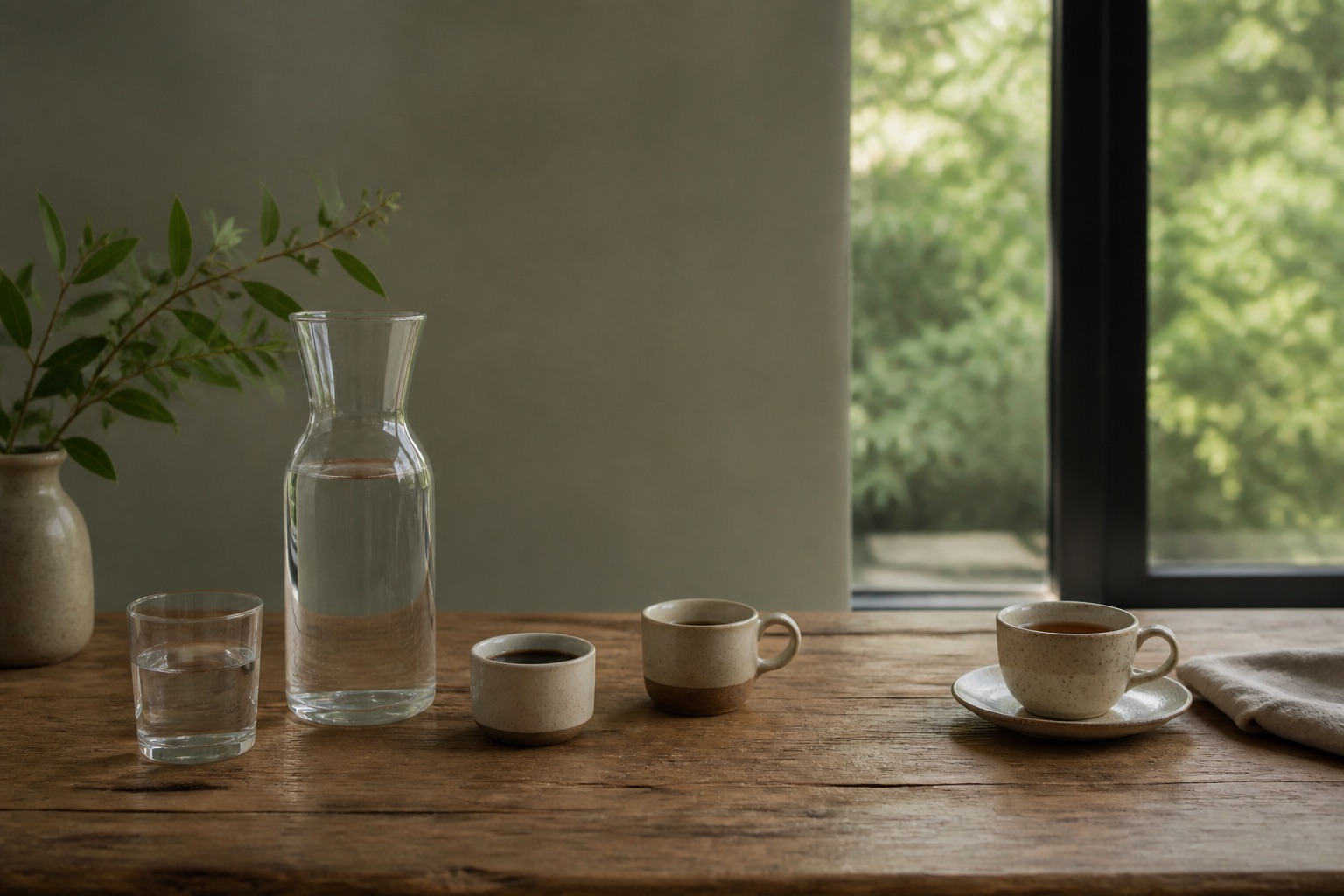
Hydration became much easier to market once it was reduced to a giant bottle and a daily target. Human physiology is less tidy. Fluid needs change from one day to the next because losses change.
Food contributes water. Coffee and tea contribute water. Heat, sweat, altitude, illness, and medication alter the calculation. The goal is replacement, not winning a volume contest.
My gallon is not your prescription
I currently drink about a gallon of water a day. That can make sense with substantial activity, heat, or heavy sweating, but it is not a universal longevity target. The National Academies reference for total water is about 3.7 liters for younger men and 2.7 liters for younger women. That total includes water in food, coffee, tea, and every other beverage.
Coffee and tea are part of the total
My routine is two cups of coffee before noon and tea in the afternoon. Many healthy adults tolerate up to roughly 400 milligrams of caffeine a day, but a ‘cup’ is not a dose. Brewing method and serving size change the math. Earlier is generally better, and even afternoon tea can disturb sleep in someone who clears caffeine slowly.
Drink for the conditions you are in
A hot day, altitude, fever, pregnancy, a long workout, heavy sweating, medications, kidney disease, and heart disease all change the equation. Thirst, regular meals, access to water, and drinking around activity are usually more helpful than forcing fluid on a rigid clock.
Too much water can be dangerous
The kidneys can only clear water so quickly. During prolonged exercise, drinking well beyond thirst can dilute blood sodium and cause exercise-associated hyponatremia. Confusion, severe headache, vomiting, seizure, or worsening symptoms during endurance activity require urgent medical attention.
Most days do not require an electrolyte brand
For ordinary days and shorter workouts, regular meals and water are often enough. Long exercise, heavy sweat, extreme heat, vomiting, or diarrhea may change that. I would still look at the label. Sodium, sugar, stimulants, and price vary widely, and ‘hydration’ on the package does not make every product useful.
Questions readers often ask
Does coffee count toward daily water intake?
Yes. Coffee and tea contribute fluid. Caffeine can modestly increase urine output in some settings, but ordinary caffeinated beverages still add to total water intake.
Is one gallon of water a day too much?
It may be appropriate for a larger, highly active person in the heat and unnecessary for someone smaller or sedentary. Kidney and heart conditions can also change safe intake. A gallon is not a universal target.
When are electrolytes useful?
They may be useful during prolonged exercise, heavy sweating, significant heat exposure, vomiting, or diarrhea. Most ordinary days and shorter workouts do not require a specialty electrolyte drink when meals are adequate.
Sources & further reading
National Academies: Dietary Reference Intakes for water ↗FDA: caffeine and dietary supplements ↗CDC Yellow Book: heat illness and exercise-associated hyponatremia ↗
Sung Won, MD
Physician by training and health educator focused on evidence-based longevity, plant-forward nutrition, and practical habits people can sustain.
Biography and credentials →